
Views: 222 Author: Leah Publish Time: 2025-03-28 Origin: Site


Content Menu
● Introduction to Coax Amplifiers
>> Signal Amplification Process
● Applications of Coax Amplifiers
>> Benefits
>> Limitations
● Choosing the Right Coax Amplifier
● Troubleshooting Common Issues
● FAQ
>> 1. What is the primary function of a coax amplifier?
>> 2. Can coax amplifiers improve internet connectivity?
>> 3. How do I choose the right coax amplifier for my needs?
>> 4. Can coax amplifiers be used with satellite TV systems?
>> 5. Do coax amplifiers work for all types of signals?
Coaxial cable amplifiers are devices used to boost the signal strength of coaxial cables, which are commonly used for cable television, internet, and satellite communications. These amplifiers can be crucial in maintaining or improving signal quality, especially in situations where the signal is weak due to long cable runs or multiple splits. However, whether a coax amplifier increases the signal depends on several factors, including the type of amplifier, the condition of the signal, and the specific application.
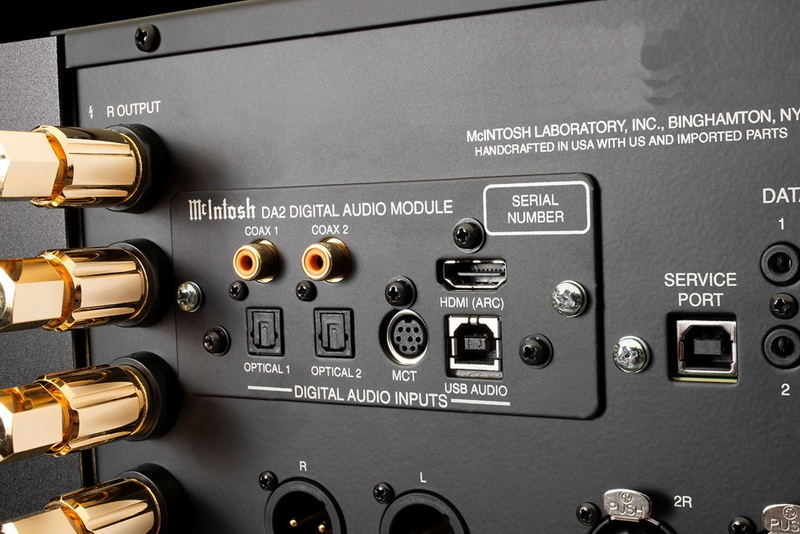
Coax amplifiers are designed to amplify the signal traveling through a coaxial cable. They can be used in various applications, such as cable TV, satellite TV, and even CCTV systems. These amplifiers work by increasing the power of the signal, which helps to overcome signal loss due to cable length or splitting.
1. Inline Amplifiers: These are installed directly in the coaxial cable line and are often used for satellite TV systems. They are easy to install and do not require an external power source, as they use voltage from the receiver to boost the signal.
2. Distribution Amplifiers: These are used in larger systems where multiple outputs are needed. They are ideal for heavily loaded CATV and SMATV systems, providing a reliable way to distribute signals across multiple devices.
3. Preamplifiers: These are typically used at the antenna to boost weak signals before they travel through long cable runs. Preamplifiers are particularly useful in areas with poor reception, as they can significantly improve signal quality.
Coax amplifiers work by increasing the signal strength of the incoming signal. This is particularly useful in scenarios where the signal is weak due to long cable runs or multiple splits. However, amplifiers not only boost the signal but also amplify any noise present on the line, which can sometimes degrade the overall signal quality.
The amplification process involves increasing the voltage of the signal to compensate for losses in the cable. This is crucial for maintaining signal integrity over long distances or when the signal is split multiple times. The effectiveness of the amplification depends on the gain of the amplifier, which is measured in decibels (dB). A higher gain means a stronger signal output.
Coax amplifiers are used in various applications:
1. Cable TV and Satellite TV: To improve signal quality and ensure reliable reception, especially in areas with weak signals or long cable runs. In these systems, amplifiers can help maintain clear picture and sound quality.
2. CCTV Systems: To extend the range of analog video signals over long distances, such as up to 3000 feet using RG59 coaxial cable. This is particularly useful in security systems where cameras are installed far from the monitoring station.
3. Internet and Modem Connections: While not always necessary, bi-directional amplifiers can be used to boost both downstream and upstream signals. However, they may introduce additional noise and should be used cautiously to avoid degrading internet performance.
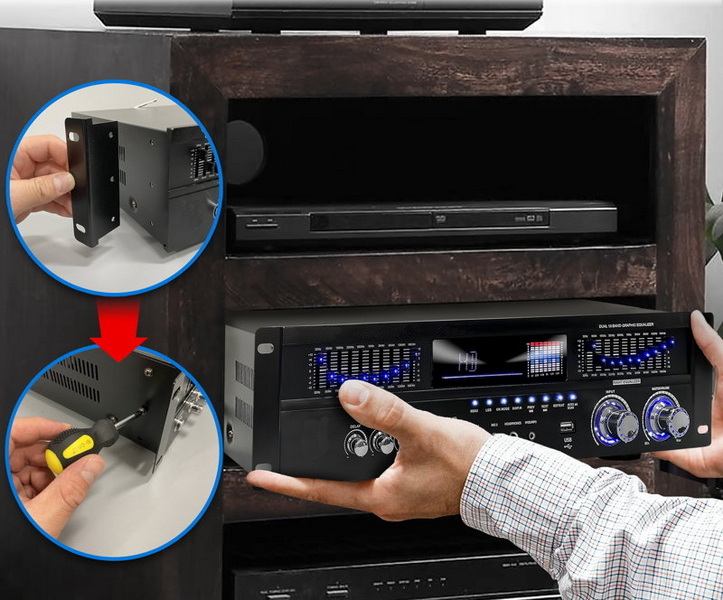
- Improved Signal Strength: Coax amplifiers can significantly improve signal strength, making them essential for maintaining reliable connections over long distances or in systems with multiple splits.
- Cost-Effective: Compared to running new cables or installing additional infrastructure, amplifiers can be a cost-effective solution.
- Easy Installation: Many amplifiers are simple to install and require minimal technical expertise.
- Noise Amplification: Amplifiers can also boost noise on the line, which may degrade signal quality. This is a critical consideration when deciding whether to use an amplifier.
- Over-Amplification: In strong signal areas, amplifiers can cause over-amplification, leading to signal distortion or loss. This can result in poor picture quality or dropped connections.
- Power Requirements: Some amplifiers require external power sources, which can add complexity to installations and increase costs.
When selecting a coax amplifier, consider the following factors:
1. Gain: Ensure the amplifier provides sufficient gain to compensate for signal loss. Too little gain may not improve the signal, while too much can lead to over-amplification.
2. Noise Figure: A lower noise figure indicates less noise amplification. This is crucial for maintaining signal quality.
3. Power Supply: Determine if an external power source is required. This can affect the overall cost and complexity of the installation.
4. Frequency Range: Ensure the amplifier supports the frequency range of your application. Different systems operate on different frequencies, so compatibility is essential.
Installing a coax amplifier requires careful planning to ensure optimal performance:
1. Location: Place the amplifier as close as possible to the source of the signal to minimize initial signal loss.
2. Cable Quality: Use high-quality coaxial cables to reduce signal loss and noise introduction.
3. Powering: If the amplifier requires an external power source, ensure it is properly connected and powered.
When using coax amplifiers, several issues may arise:
1. Signal Distortion: This can occur due to over-amplification or excessive noise. Adjusting the gain or using a different amplifier may resolve this issue.
2. No Signal: Check connections and ensure the amplifier is properly powered. Also, verify that the amplifier is compatible with the signal frequency.
3. Interference: This can be caused by nearby electronic devices. Using shielded cables or relocating the amplifier may help reduce interference.
Coax amplifiers can indeed increase signal strength, but their effectiveness depends on the specific application and the condition of the signal. While they are beneficial in many scenarios, they can also introduce noise and may not be suitable for all situations. Proper selection and installation of amplifiers are crucial to achieving optimal results.
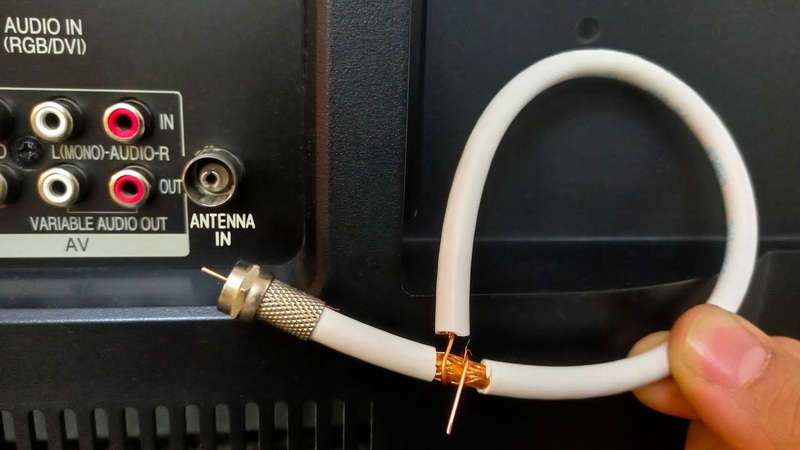
A coax amplifier is designed to boost the signal strength of coaxial cables, compensating for signal loss due to long cable runs or multiple splits.
Coax amplifiers can improve internet connectivity by boosting the downstream signal. However, they may not always enhance upstream signals and can introduce additional noise, potentially degrading performance.
When choosing a coax amplifier, consider factors such as the required gain, noise figure, power supply needs, and the frequency range supported by the amplifier.
Yes, coax amplifiers are commonly used with satellite TV systems to boost signals over long cable runs, ensuring reliable reception.
Coax amplifiers are designed for specific frequency ranges and applications. They work well for cable TV, satellite TV, and CCTV systems but may not be suitable for all types of signals.
[1] https://www.reddit.com/r/HomeNetworking/comments/g42d2k/should_i_buy_a_coax_cable_amplifier/
[2] https://www.youtube.com/watch?v=xVhKX8LNUrM
[3] https://www.wentronic.com/en/inline-coax-cable-amplifier-18-db-dvb-t-67236
[4] https://www.youtube.com/watch?v=JAIQ5ugbELw
[5] https://www.youtube.com/watch?v=fxxVnWb_714
[6] https://www.speedguide.net/faq/should-i-use-a-cable-amplifier-455
[7] https://www.dolphmicrowave.com/default/what-is-the-difference-between-antenna-booster-and-amplifier/
[8] https://www.reddit.com/r/HomeNetworking/comments/1gmu4it/coax_amp/
[9] https://www.youtube.com/watch?v=ZoGGzVxuy6A
[10] https://www.youtube.com/watch?v=ycqwrz8ZpW4
[11] https://www.youtube.com/watch?v=1x3M5rE2U24
[12] https://thorbroadcast.com/product/distribution-amplifier-30db-54-1000mhz-coax-catv-qam-atsc-analog-rf.html
[13] https://www.youtube.com/watch?v=1e0Sxjn3SFg
[14] https://www.commspace.com.cn/news/industry-news/coaxial-cable-s-use-and-its-advantages-disadvantages.html
[15] https://mysignalboosters.com/blog/how-a-signal-booster-can-help-with-cable-tv-reception/
[16] https://wilsonamplifiers.ca/blog/understanding-coaxial-cables-the-complete-guide/
[17] https://www.xfinity.com/support/articles/drop-amplifiers
[18] https://www.youtube.com/watch?v=5eRfhDW-hYI&vl=en
[19] https://www.shutterstock.com/search/coax-cable-amplifier
[20] https://www.reddit.com/r/audiophile/comments/wlerpn/rca_vs_optical_vs_digital_coax_from_my_streamer/
