
Views: 222 Author: Ann Publish Time: 2025-04-17 Origin: Site


Content Menu
● What is a Channel Signal Indicator?
● Devices That Use Channel Signal Indicators
>>> AV Receivers and Home Theater Systems
>>> Professional Audio Mixers and Consoles
>>> Television Sets and Set-Top Boxes
>> Wireless Communication Devices
>>> Wi-Fi Routers and Access Points
>>> Two-Way Radios and Walkie-Talkies
>>> Cellular Phones and Mobile Broadband Devices
>>> Cable Modems and DSL Routers
>> Trading Platforms and Financial Tools
>>> Technical Analysis Software
>> Industrial and Scientific Instruments
>>> Medical Devices
>>> Environmental Monitoring Equipment
>>> Smart TVs and Streaming Devices
>>> Wireless Headphones and Earbuds
>>> Gaming Consoles
>>> In-Car Entertainment and Navigation
>>> Telematics and Vehicle Diagnostics
>> Broadcasting and Media Production
>>> Broadcast Transmitters and Receivers
>>> Video Production Switchers
>>> Smart Hubs and Controllers
>>> Security Cameras and Sensors
● How Channel Signal Indicators Work
>> Example: AV Receiver Channel Signal Indicator
>> Example: Wi-Fi Router Channel Signal Indicator
● Benefits of Channel Signal Indicators
● Channel Signal Indicators: Best Practices and Use Cases
>> Trading Strategy Development
● Innovations and Future Trends
● FAQ
>> 1. What is the main function of a channel signal indicator?
>> 2. Which devices commonly use channel signal indicators?
>> 3. How do channel signal indicators benefit traders?
>> 4. Are channel signal indicators only hardware-based?
>> 5. Can channel signal indicators help with troubleshooting?
A channel signal indicator is a critical feature in a vast array of modern devices, serving as a real-time reference for signal strength, quality, or channel status. Whether it's ensuring crisp audio in home theaters, optimizing wireless networks, or guiding financial trades, channel signal indicators are fundamental to both professionals and everyday users. This comprehensive article explores the technology behind channel signal indicators, the types of devices that use them, their operational principles, and their far-reaching significance in today's interconnected world.

A channel signal indicator is a visual, auditory, or digital display that conveys the status, strength, or quality of a specific signal channel within a device or system. These indicators can take many forms—LED bars, numeric readouts, on-screen graphics, or software-based meters. Their main purpose is to help users monitor, troubleshoot, and optimize device performance by providing immediate feedback about the underlying signal conditions.
Channel signal indicators are not limited to a single industry or device type. Their application spans audio-visual equipment, wireless networks, financial trading platforms, scientific instruments, and much more. By bridging the gap between complex signal data and user-friendly information, channel signal indicators empower users to make informed decisions and maintain optimal system operation.
Modern AV receivers are equipped with channel signal indicators that display which audio channels are active—such as front left, center, surround, and subwoofer (L.F.E.). These indicators are typically shown on the device's front panel or on an on-screen display, allowing users to verify speaker connections, monitor audio processing modes, and ensure that surround sound formats are being rendered correctly.
For example, when playing a Dolby Atmos movie, the channel signal indicator may show all available speaker channels in use, including overhead speakers. This feedback helps users troubleshoot missing audio channels and optimize their listening experience.
In professional audio environments, mixers and consoles feature channel signal indicators—often as LED meters or VU meters—for each input and output channel. These indicators provide real-time feedback on signal levels, helping sound engineers balance audio, avoid distortion, and maintain clarity during live performances or studio recordings.
Many digital TVs and set-top boxes display channel signal strength indicators, especially when tuning over-the-air broadcasts or satellite signals. These on-screen graphics help users adjust antennas or satellite dishes for the best possible reception, reducing pixelation and dropouts.
Wi-Fi routers and access points use channel signal indicators to show the strength and quality of wireless channels. These indicators are often displayed as signal bars or numeric values in the device's web interface or companion app. By monitoring these indicators, users can select the least congested Wi-Fi channel, reduce interference, and improve wireless performance.
Advanced Bluetooth devices, especially those using Bluetooth Low Energy (BLE), employ channel signal indicators to display channel quality or ranging accuracy. These indicators are essential for secure access, proximity services, and ensuring reliable connections in crowded environments.
Two-way radios and walkie-talkies often feature signal strength indicators—such as bars or LEDs—that show the quality of received or transmitted signals on selected channels. This helps users find the clearest channel and maintain effective communication in challenging conditions.
Smartphones and mobile broadband modems display channel signal indicators as signal bars, showing the strength of the cellular connection. Advanced diagnostic apps can provide detailed information about specific frequency bands and channels, aiding in network troubleshooting and optimization.
Professional-grade network switches and hubs include channel signal indicators for each port or channel, typically in the form of LEDs. These indicators show link status, activity, and sometimes signal quality, helping IT professionals quickly identify connectivity issues and manage network traffic.
Cable modems and DSL routers use channel signal indicators to display the status of upstream and downstream channels. These indicators help users and technicians diagnose connectivity problems, such as low signal strength, noise, or channel bonding issues.
In fiber optic networks, channel signal indicators are used to monitor the power and quality of optical signals on different channels or wavelengths. This is crucial for maintaining high-speed data transmission and troubleshooting fiber links.
Financial trading platforms, such as MetaTrader, TradingView, and Thinkorswim, offer channel signal indicators as part of their charting and analysis tools. Examples include Donchian channels, Bollinger bands, Keltner channels, and Gaussian channels. These indicators help traders visualize price trends, identify potential breakouts or reversals, and make data-driven trading decisions.
Algorithmic trading bots use channel signal indicators to automate buy and sell actions. For example, a bot might enter a trade when the price breaks above a channel resistance line, or exit when it falls below support. These indicators are integral to quantitative trading strategies.
Professional market data terminals, such as Bloomberg or Reuters, may include channel signal indicators to show the status of data feeds, signal integrity, and channel utilization, ensuring traders have access to real-time, reliable market information.
Spectrum analyzers use channel signal indicators to display the strength and quality of signals across multiple frequency channels. These indicators are vital in RF engineering, telecommunications, and electronics testing, helping engineers identify interference, measure signal-to-noise ratios, and validate system performance.
Medical devices such as EEG (electroencephalogram) and ECG (electrocardiogram) machines employ channel signal indicators to show the quality and integrity of physiological signals across multiple channels. This ensures accurate monitoring of brain or heart activity and helps clinicians detect artifacts or connection issues.
Devices that monitor air quality, radiation, or seismic activity often use channel signal indicators to display readings from multiple sensors or channels. This enables rapid assessment of environmental conditions and facilitates timely responses to anomalies.
Smart TVs and streaming boxes use channel signal indicators to show the strength of Wi-Fi or Ethernet connections, as well as the status of digital TV channels. This helps users troubleshoot connectivity issues and optimize streaming quality.
Many wireless audio devices display channel signal indicators—such as battery and connection strength icons—on companion apps or device screens, ensuring users are aware of connection quality and can take action if needed.
Gaming consoles often include network channel signal indicators to display the strength and quality of online connections. This information helps gamers reduce lag, avoid disconnections, and maintain a smooth online experience.
Modern vehicles feature in-car entertainment and navigation systems with channel signal indicators for radio, satellite, and wireless connections. These indicators help drivers select the best radio channels, maintain GPS accuracy, and ensure reliable Bluetooth or Wi-Fi connectivity.
Telematics systems use channel signal indicators to monitor wireless communication channels between the vehicle and external networks. This is essential for remote diagnostics, fleet management, and emergency response systems.
Broadcast engineers rely on channel signal indicators to monitor the strength and quality of audio and video signals across multiple channels. These indicators are crucial for ensuring consistent, high-quality broadcasts and for quickly identifying technical issues.
In live video production, switchers and control panels use channel signal indicators to show the status of video feeds, audio channels, and network connections. This helps production teams manage complex workflows and deliver seamless live content.
Smart home hubs and controllers use channel signal indicators to display the status of connected devices and communication channels (e.g., Zigbee, Z-Wave, Wi-Fi). This helps users manage device connectivity and troubleshoot network issues.
Wireless security cameras and sensors display channel signal indicators to show connection strength and signal quality. This ensures reliable operation and timely alerts in case of security breaches or technical problems.
Home automation systems, such as smart thermostats and lighting controllers, use channel signal indicators to monitor wireless communication channels, ensuring smooth operation and integration with other smart devices.
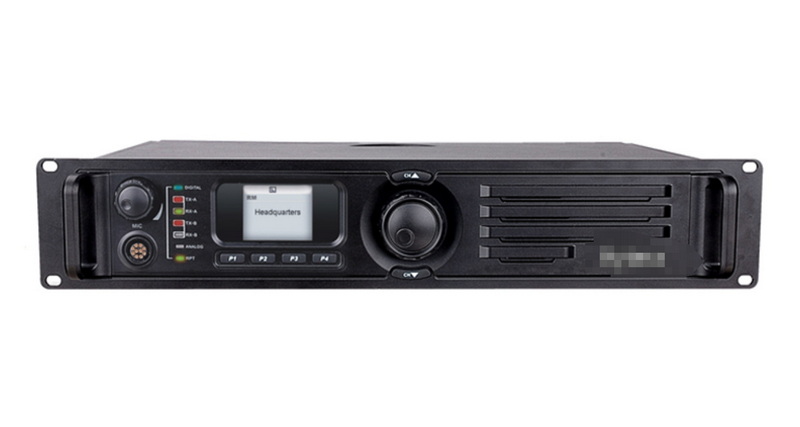
Channel signal indicators function by detecting, processing, and displaying information about the signal on a given channel. The process typically involves the following steps:
1. Signal Detection: Sensors or circuits within the device detect the presence and strength of a signal on a particular channel. This could involve measuring voltage, current, radio frequency power, or digital data integrity.
2. Signal Processing: The raw signal data is processed to determine its quality, strength, or integrity. This may include filtering, amplification, analog-to-digital conversion, and error checking.
3. Display: The processed data is presented to the user through visual indicators (LEDs, LCDs, graphical meters), auditory cues (beeps, tones), or digital dashboards (software interfaces, mobile apps).
In an AV receiver, the playback channel indicator shows which speakers are currently active and which audio channels are being processed. This allows users to verify that their surround sound setup is functioning correctly and that all speakers are receiving the intended audio signals.
A Wi-Fi router's channel signal indicator shows the strength and quality of the wireless signal on each channel. Users can access this information through the router's web interface or app, allowing them to select the optimal channel for their environment and minimize interference from neighboring networks.
Channel signal indicators offer a multitude of benefits across different devices and industries:
- Real-Time Monitoring: Instantly assess signal quality and detect issues before they impact performance.
- Troubleshooting: Quickly identify faulty connections, interference, or configuration errors, reducing downtime and maintenance costs.
- Optimization: Adjust settings such as antenna direction, channel selection, or device placement for optimal performance.
- Automation: In trading and industrial applications, automate decisions and actions based on indicator signals, improving efficiency and accuracy.
- User Empowerment: Provide users with actionable information, enabling them to make informed decisions and maintain control over their devices and systems.
When setting up a home theater system, use the AV receiver's channel signal indicators to verify that each speaker is connected and receiving the correct audio signal. This ensures a balanced and immersive sound experience.
Use the channel signal indicators on your Wi-Fi router or a Wi-Fi analyzer app to identify congested channels and switch to a less crowded one. This can significantly improve wireless performance and reduce interference.
In live sound or studio environments, monitor channel signal indicators on audio mixers to maintain proper gain structure, avoid clipping, and ensure a clear mix.
Leverage channel signal indicators in trading platforms to identify price channels, set entry and exit points, and automate trades based on channel breakouts or reversals.
Use channel signal indicators on spectrum analyzers or environmental sensors to monitor multiple channels simultaneously, quickly identifying anomalies or potential issues.
As technology evolves, channel signal indicators are becoming more sophisticated and integrated. Some emerging trends include:
- AI-Powered Signal Analysis: Machine learning algorithms can analyze channel signal data in real time, providing predictive insights and automated optimization.
- Enhanced Visualization: Advanced graphical interfaces and augmented reality overlays make it easier to interpret complex signal data.
- Remote Monitoring: Cloud-connected devices allow users to monitor channel signal indicators from anywhere, enabling proactive maintenance and troubleshooting.
- Integration with Smart Systems: Channel signal indicators are increasingly integrated into smart home and industrial automation platforms, providing seamless control and monitoring.
Channel signal indicators are foundational tools in modern technology, spanning a diverse range of devices and industries. From home theaters and wireless networks to trading floors and scientific laboratories, these indicators provide essential feedback for monitoring, troubleshooting, and optimizing performance. As devices become more interconnected and complex, the role of channel signal indicators will only grow in importance, enabling users to harness the full potential of their technology with confidence and ease.

A channel signal indicator provides real-time feedback on the strength, quality, or status of a signal in a specific channel, helping users monitor and optimize device performance.
Devices such as AV receivers, Wi-Fi routers, Bluetooth devices, trading platforms, spectrum analyzers, medical equipment, smart TVs, automotive systems, and smart home devices frequently use channel signal indicators for monitoring and control.
In trading, channel signal indicators help visualize market trends, identify potential breakouts or reversals, and automate trading decisions based on predefined criteria, improving efficiency and reducing emotional bias.
No, channel signal indicators can be both hardware-based (LEDs, LCDs) and software-based (graphical meters, digital dashboards), depending on the device and application.
Yes, they are essential for diagnosing issues such as poor signal reception, interference, or faulty connections, enabling quick corrective action and minimizing downtime.
[1] https://helpguide.sony.net/ha/strza321/v1/en/contents/TP0000526349.html
[2] https://www.bluetooth.com/blog/bluetooth-channel-sounding-a-step-towards-10-cm-ranging-accuracy-for-secure-access-digital-key-and-proximity-services/
[3] https://manuals.denon.com/avrx6400h/na/en/WBSPSYszuacfuh.php
[4] https://www.tradingview.com/script/80rquaAh-Cloud-Channel-Signals-Indicator-Quantigenics/
[5] https://www.qorvo.com/design-hub/blog/the-future-of-positioning-exploring-uwb-and-bluetooth-channel-sounding
[6] https://tradingliteracy.com/channels-indicator/
[7] https://www.forexfactory.com/thread/1008903-signal-channel-indicator
[8] https://ia800600.us.archive.org/5/items/ittushu-2470/%E6%B8%85%E5%8D%8E%E5%A4%A7%E5%AD%A6%E5%9B%BE%E4%B9%A6%E9%A6%86-%E6%88%98%E7%96%AB%E7%89%88/%E6%96%87%E6%B3%89sp2%E8%A1%A5%E4%B8%81/3209561_%E8%AE%A1%E7%AE%97%E6%9C%BA%E5%AF%BC%E8%AE%BA%EF%BC%88%E7%AC%AC4%E7%89%88%EF%BC%89_text.pdf
[9] https://www.morpher.com/blog/gaussian-channel-indicator
[10] https://www.ironfx.com/en/what-is-the-best-channel-indicator-for-mt4/
