
Views: 222 Author: Leah Publish Time: 2025-03-15 Origin: Site


Content Menu
● Introduction to Schrader Valves
● Tire Pressure Monitoring System (TPMS)
● Attaching TPMS Sensors to Schrader Valves
● Maintenance and Troubleshooting
>> Integration with Autonomous Vehicles
>> 1. What is a Schrader valve?
>> 2. How do I attach a TPMS sensor to a Schrader valve?
>> 3. What types of TPMS sensors are available?
>> 4. How do I maintain my TPMS sensors and Schrader valves?
>> 5. What are common issues with TPMS sensors and Schrader valves?
Tire pressure sensors are crucial components of modern vehicles, ensuring safety and efficiency by monitoring tire pressure in real-time. These sensors are often integrated with tire valves, such as Schrader valves, which are widely used in both automotive and bicycle applications. In this article, we will delve into the specifics of how tire pressure sensors are attached to Schrader valves, explore the types of valves and sensors available, and provide guidance on maintenance and troubleshooting.
Schrader valves are a common type of valve used in tires. They are characterized by their wide and short design, making them easily recognizable. These valves are used in both cars and bicycles, especially in budget-friendly bike models. The Schrader valve features a spring-loaded check valve that allows air to enter the tire only when the inner pin is pressed, which is essential for inflating tires and checking pressure.
- Outer Shell: The outer part of the valve is threaded to accept a cap or a pump head.
- Spring-Loaded Check Valve: This component controls airflow, allowing air to enter the tire when the pin is pressed.
- Removable Core: Some Schrader valves have a removable core, which can be replaced if it becomes damaged.
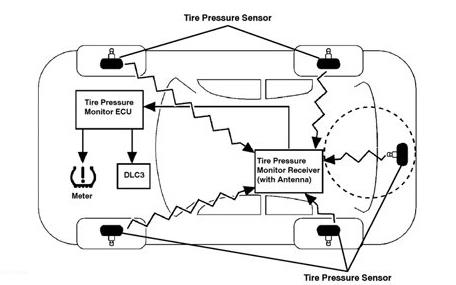
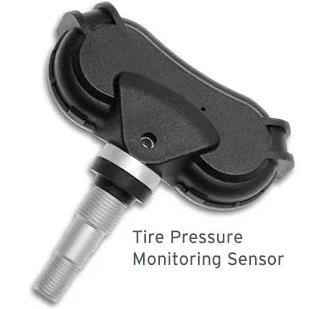
The Tire Pressure Monitoring System (TPMS) is designed to alert drivers when tire pressure falls below recommended levels. This system can significantly improve vehicle safety by reducing the risk of tire-related accidents. TPMS sensors are typically attached to the valve stem of the tire and communicate with the vehicle's onboard computer to display pressure readings.
There are two main types of TPMS sensors: direct and indirect. Direct TPMS sensors are attached to the valve stem inside the tire and provide real-time pressure readings. Indirect TPMS sensors use the vehicle's ABS system to estimate tire pressure by monitoring wheel speed.
Attaching a TPMS sensor to a Schrader valve involves a few key steps:
1. Remove the Valve Cap: Start by removing the valve cap to access the valve stem.
2. Inspect the Valve: Check if the valve is compatible with the TPMS sensor.
3. Attach the Sensor: Secure the sensor to the valve stem using the appropriate hardware (e.g., a nut or clip).
4. Tighten the Nut: Ensure the nut is tightened firmly but avoid over-tightening, which can damage the sensor or valve.

Regular maintenance of TPMS sensors and Schrader valves is essential for optimal performance. Here are some tips:
- Check for Leaks: Regularly inspect the valve and sensor for any signs of leaks or damage.
- Replace the Valve Core: If the valve core is damaged, replace it to prevent air leaks.
- Clean the Sensor: Ensure the sensor is free from debris to maintain accurate readings.
- Sensor Malfunction: If the sensor is not providing accurate readings, check for damage or interference.
- Valve Damage: Inspect the valve for any signs of wear or damage.
Modern TPMS systems often include advanced features such as:
- Real-Time Monitoring: Provides continuous pressure updates.
- Alert Systems: Warns drivers of low pressure or rapid pressure loss.
- Data Logging: Stores historical pressure data for analysis.
The benefits of using TPMS include improved safety, better fuel efficiency, and extended tire life. Properly inflated tires reduce the risk of tire failure, improve handling, and decrease fuel consumption.
TPMS systems are not limited to passenger vehicles; they are also used in trucks, buses, and even bicycles. In bicycles, TPMS can enhance safety and performance by ensuring optimal tire pressure for different riding conditions.
Bicycle TPMS systems are designed to be lightweight and compact, often using wireless technology to communicate with a smartphone app. This allows cyclists to monitor tire pressure in real-time, which is particularly important for high-performance or long-distance riding.
As technology advances, TPMS systems are becoming more sophisticated. Future developments may include integration with other vehicle systems, such as suspension and braking systems, to further enhance safety and performance.
In the context of autonomous vehicles, TPMS could play a critical role in ensuring safety by continuously monitoring tire pressure and adjusting vehicle behavior accordingly. This integration could also enable more efficient routing and energy management.
In conclusion, tire pressure sensors are often attached to Schrader valves to provide real-time pressure monitoring. Understanding how these components work together is crucial for maintaining vehicle safety and efficiency. By following proper installation and maintenance procedures, drivers can ensure their TPMS system operates effectively.
A Schrader valve is a type of valve commonly used in tires, characterized by its wide and short design. It features a spring-loaded check valve that controls airflow.
To attach a TPMS sensor, remove the valve cap, inspect the valve for compatibility, secure the sensor using the appropriate hardware, and tighten the nut firmly.
There are two main types: direct TPMS sensors, which provide real-time pressure readings, and indirect TPMS sensors, which estimate pressure using wheel speed data.
Regularly inspect for leaks, replace damaged valve cores, and ensure sensors are free from debris to maintain accurate readings.
Common issues include sensor malfunctions due to damage or interference and valve damage leading to leaks.
