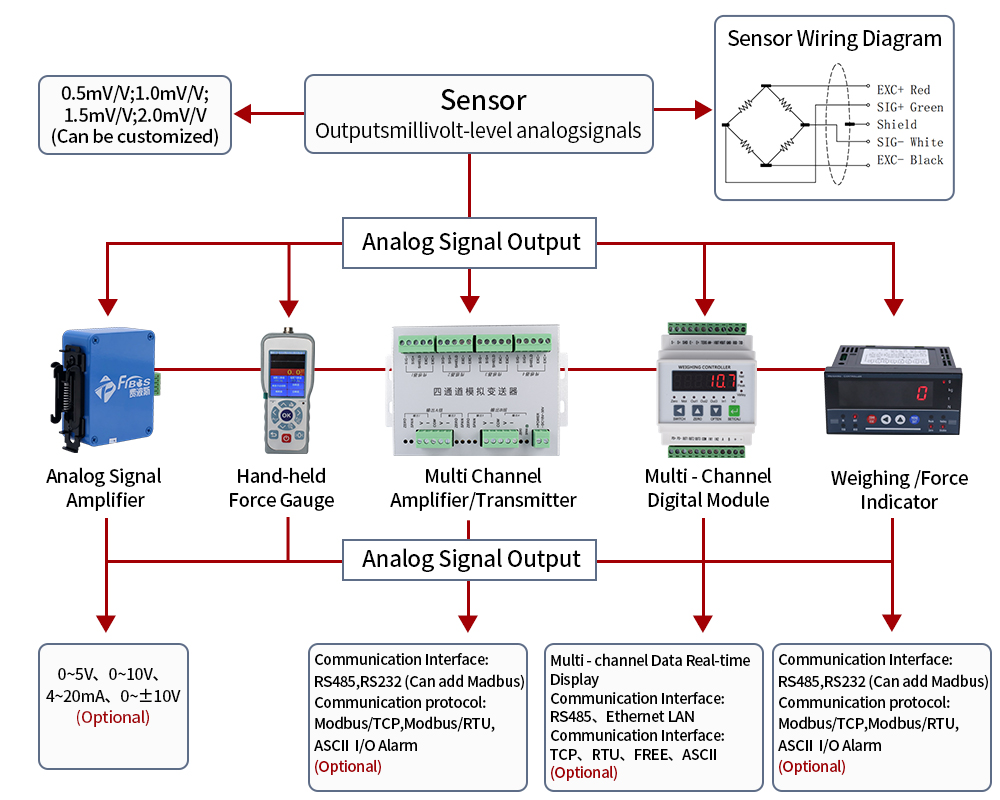
Multi-channel amplifier Function Feature |
Available with 4 to 20 channels, each with independent ADC acquisition
Each channel features a line break detection function
Communication options: RS485 + RS232 or RS485 + Ethernet
Optional analogue (12/16-bit resolution), digital and TEDS functions
Can be connected to a handheld device for calibration, parameter setting and viewing
Multi-channel amplifier Dimensions(Unit:mm) |
| L | W
| H |
| 1~2 channel amplifier | 88.5mm
| 54.5mm
| 45mm
|
| 3 channel amplifier | 88.5mm | 72mm | 45mm |
| 4 channel amplifier | 105mm
| 90mm
| 40mm
|
| 6 channel amplifier | 125mm | 90mm | 40mm |
| 8 channel amplifier | 145mm
| 90mm | 40mm |
| 10 channel amplifier | 165mm | 90mm
| 40mm |
| 12 channel amplifier | 125mm
| 90mm | 54mm
|
| 14 channel amplifier | 145mm | 90mm | 54mm |
| 16 channel amplifier | 145mm
| 90mm
| 54mm |
| 18 channel amplifier | 165mm | 90mm | 54mm |
| 20 channel amplifier | 165mm
| 90mm | 54mm |
Multi-channel amplifier Specifications |
Specifications | Technique |
| Supply Voltage | DC:9~30V |
| Signal Input | 0.4~6mV/V |
| Excitation Voltage | 5VDC±2%,500mA |
| A/D Resolution | 24bits |
| Communication Port | RS485+RS232/RS485+Ethernet (RS485+RS232 or RS485+Ethernet) |
| Communication Protocol | Ethernet: Modbus TCP/Modbus RTU Over TCP/ASCI/FREE; RS232/RS485: Modbus RTU/ASCI/FREE (free protocol) |
| Data Transfer Rate | Ethernet: 10M/100M/10-100 auto-adaptive; RS232/RS485: 1200/2400/4800/9600/19200/38400/57600/115200 bps |
| Drive Capacity | Can drive a total of 4 x 350Ω sensors (4 x 350Ω sensors in total) |
| Analogue Input(Optional) | 3 digital inputs (supports individual and simultaneous reset for all channels) 4 channels: 0–5V, 0–10V, ±5V, ±10V (12/16-bit resolution); 4 channels: 4–20 mA, 0–20 mA (12/16-bit resolution); select either voltage or current |
Digital Input (Optional)/I/O | 8 transistor outputs (NPN/PNP selectable); 8-point transistor outputs, 24 V/1 A load capacity |
| Operating Temperature | -30~60°C |
| Sampling Rate | 10/40/640/1280 HZ |
| Display Accuracy | 1/10000 |
| Power Consumption | About 2.3W(excluding sensors) |
Load Cell Styling Suggestions |
Force sensor manufacturing process |
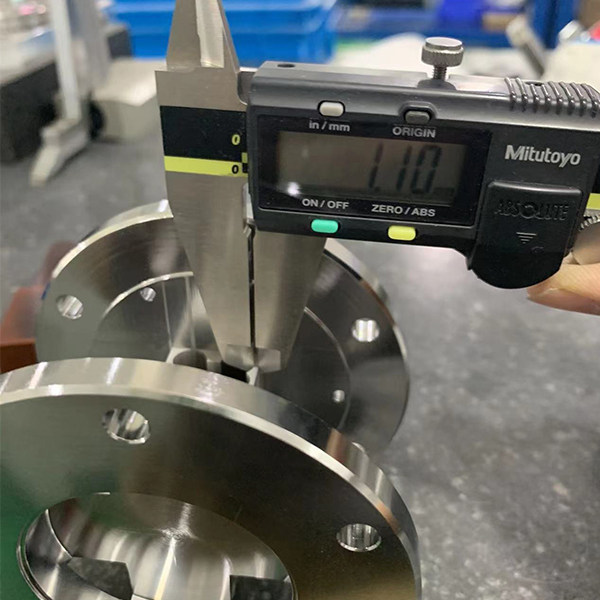
![Incoming Material Inspection]()
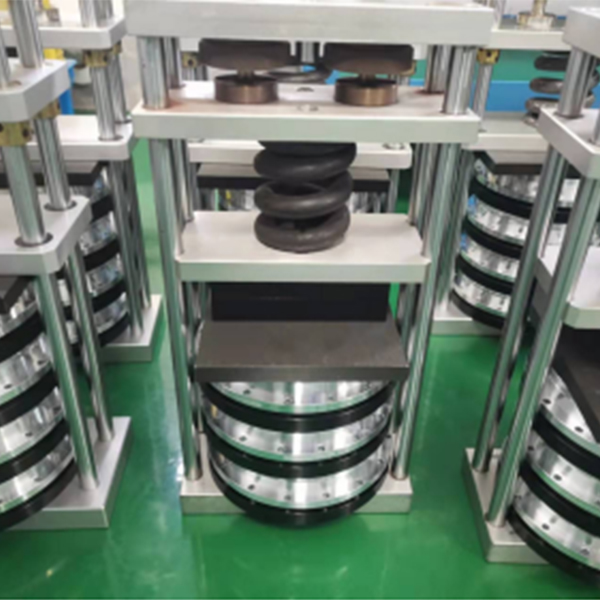
01 Incoming Material Inspection
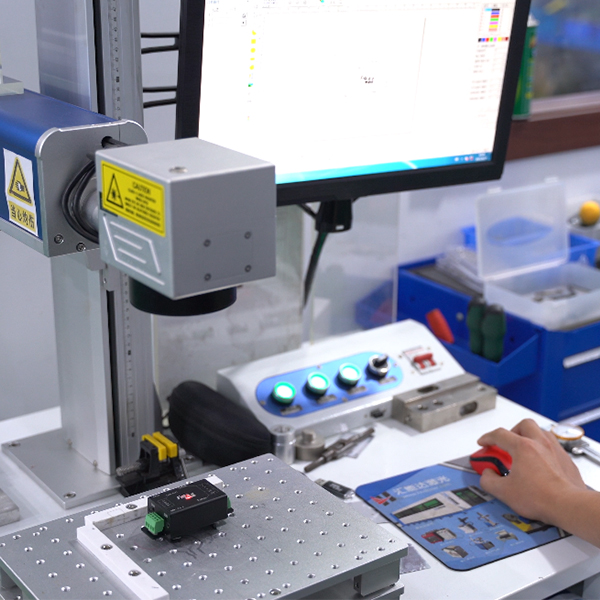
![Laser Marking]()
02 Laser Marking
![Cleaning and Placement]()
03 Cleaning and Placement
![Pressure curing]()
04 Pressure curing
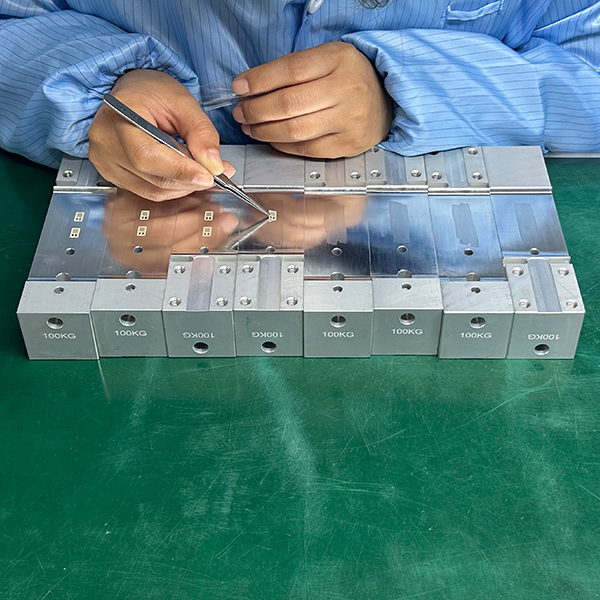
![Bridge Assembly Welding]()
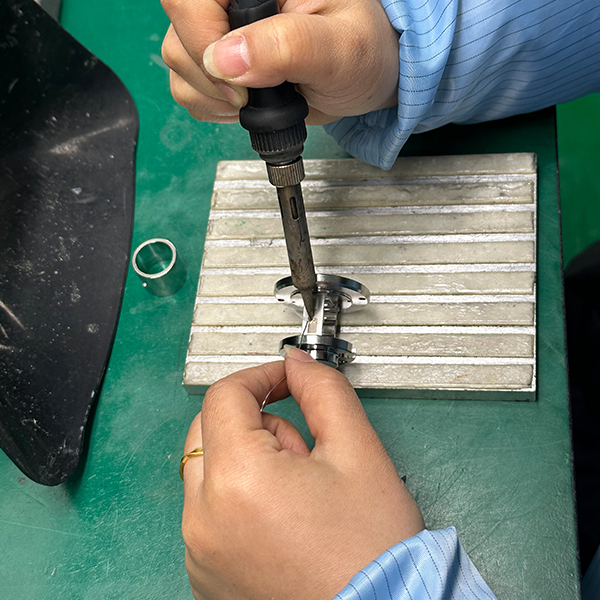
05 Bridge Assembly Welding
![Test Compensation]()
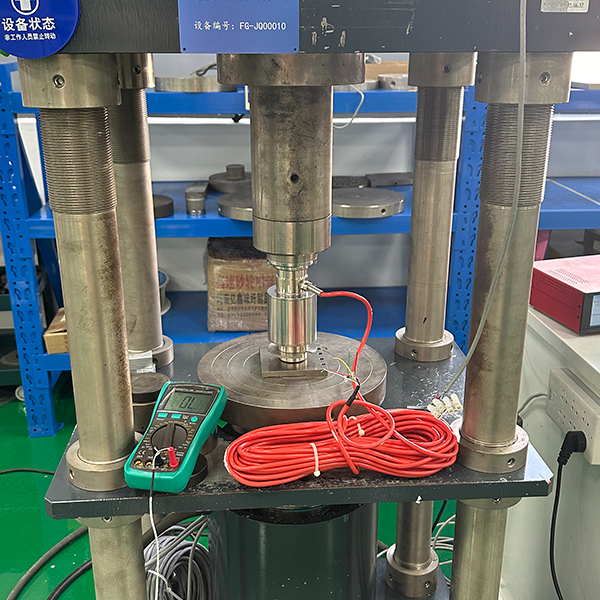
06 Test Compensation
![Adhesive application and curing]()
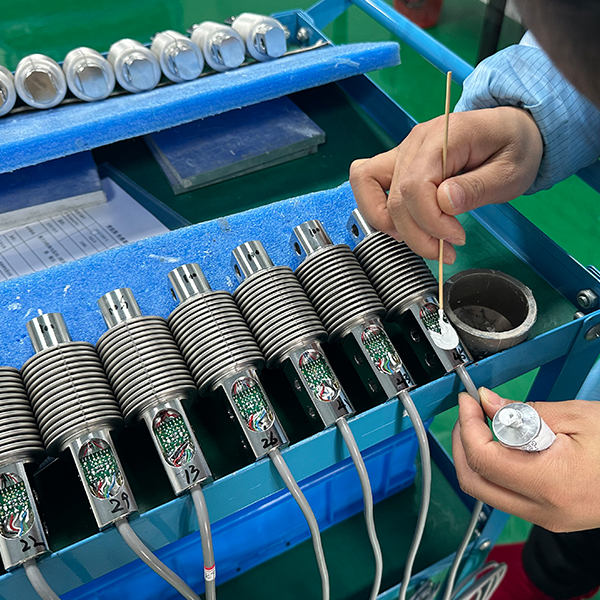
07 Adhesive application and curing
![Laser welding]()
08 Laser welding
![Finished Product Re-testing]()
09 Finished Product Re-testing
![Cleaning and packaging]()
10 Cleaning and packaging
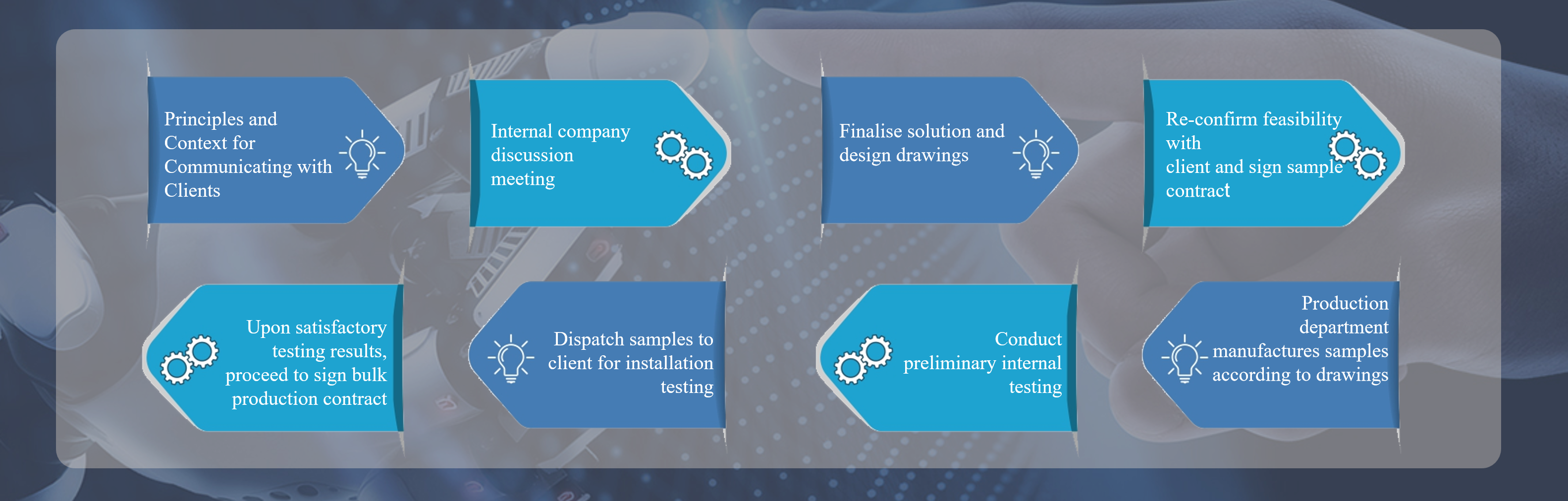
Non-standard customisation process |
![Non-Standard Customization Process]()
|
| Fibos possesses a professional technical team capable of developing customized products to meet specific client requirements. Our R&D cycle is seamlessly integrated with our in-house production lines, enabling us to deliver relevant products within a short timeframe. |
Force Sensor Case Studies |
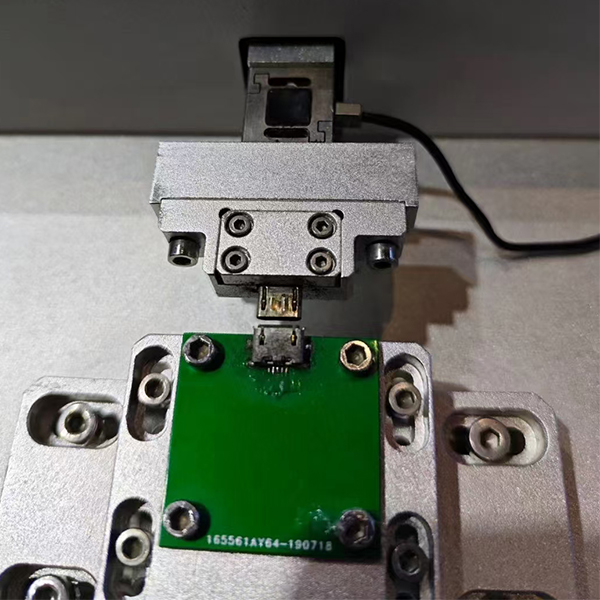
![Sensors for insertion and extraction testing]()
Sensors for insertion and extraction testing
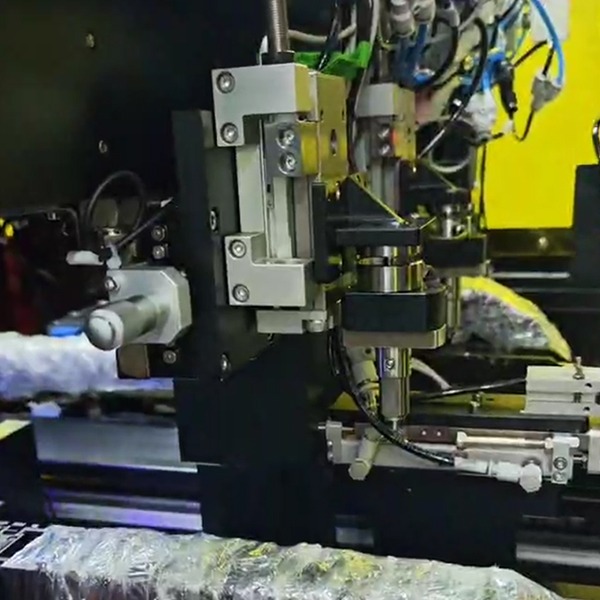
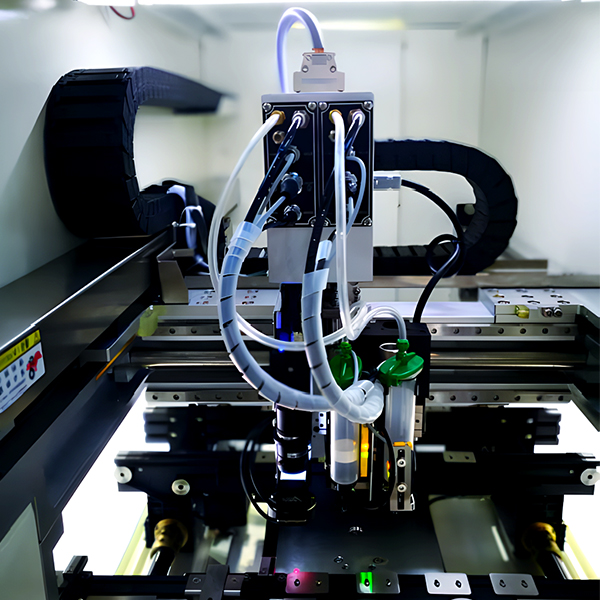
![Sensors for camera dispensing machines]()
Sensors for camera dispensing machines
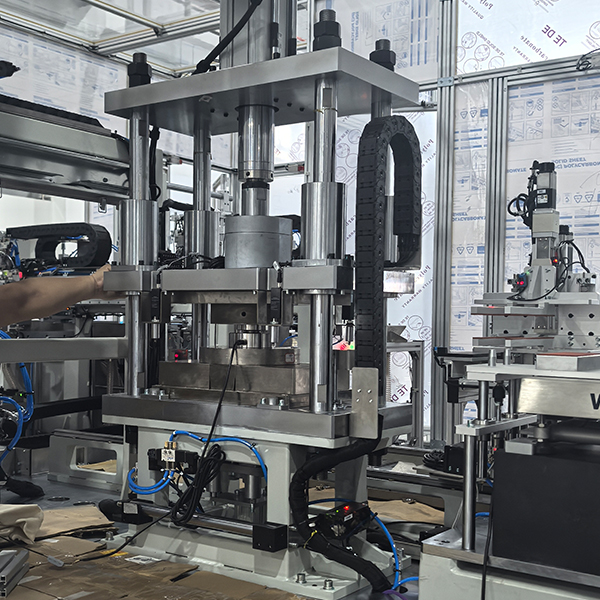
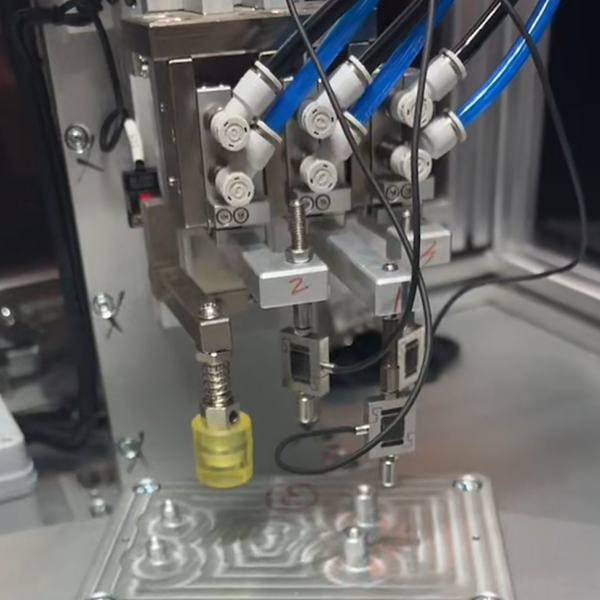
![Sensors for press-fitting equipment]()
Sensors for press-fitting equipment
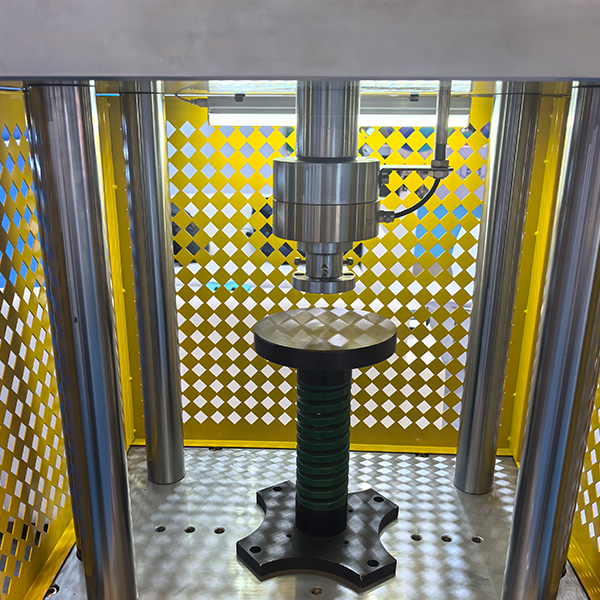
![Sensors for press-fitting equipment]()
Sensors for press-fitting equipment
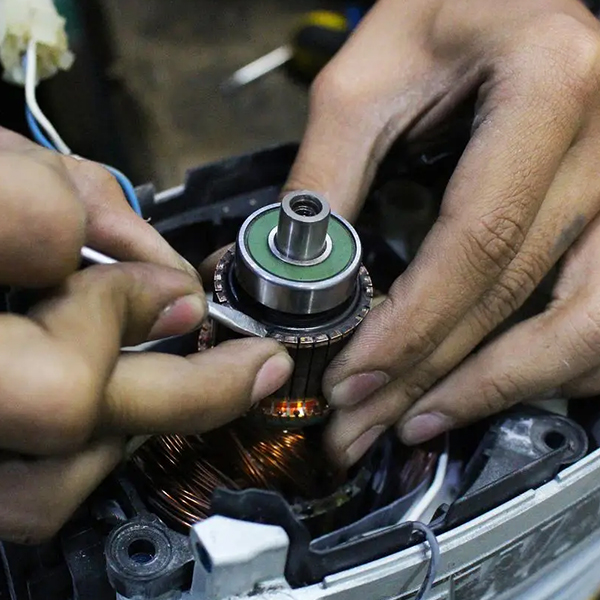
![Industrial Applications of Micro-Force Sensors]()
Industrial Applications of Micro-Force Sensors
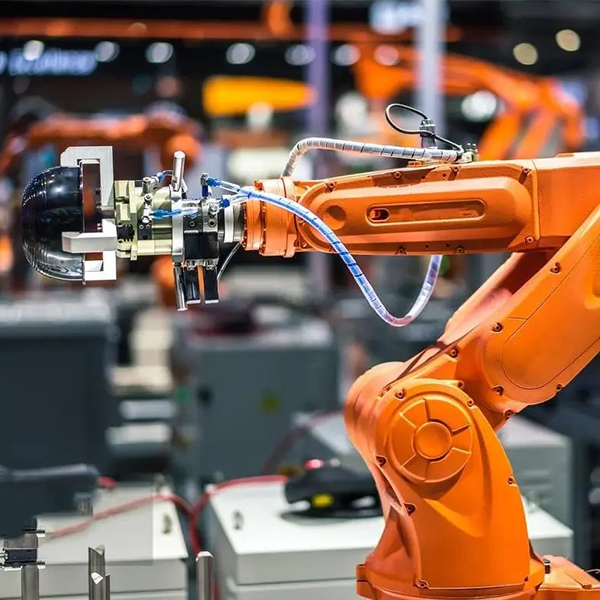
![Industrial Applications of Micro-Force Sensors]()
Industrial Applications of Micro-Force Sensors
![Industrial Applications of Micro-Force Sensors]()
Industrial Applications of Micro-Force Sensors
![Industrial Applications of Micro-Force Sensors]()
Industrial Applications of Micro-Force Sensors
Frequently Asked Questions about Force Sensors |
Q1: How many measurement channels does the FA66 series support?
A: 4 to 20 fully independent channels, each with a dedicated 24-bit ADC for simultaneous, interference-free data acquisition.
Q2: What communication options are available?
A: Choose from RS485+RS232 or RS485+Ethernet, compatible with Modbus TCP/RTU, ASCII, and custom free protocols for easy system integration.
Q3: Does it support sensor fault detection?
A: Yes, every channel has built-in wire break detection to prevent measurement errors from loose or disconnected sensors.
Q4: What sensors is it compatible with?
A: Works with all standard strain gauge sensors (load cells, force/torque sensors) with 0.4~6mV/V input range, driving up to 4×350Ω sensors total.
Q5: What is its accuracy and sampling speed?
A: 24-bit high resolution, 1/10000 display accuracy, and adjustable sampling rates up to 1280Hz for dynamic and static measurements.
Q6: What expansion options are available?
A: Optional analog outputs (voltage/current, 12/16-bit) and 8-point digital I/O for direct control of external devices and actuators.