A load cell calibration factor is a crucial parameter that converts the electrical output of a load cell into meaningful force or weight measurements. This factor establishes the relationship between the load cell's electrical signal output and the actual applied force. Understanding how to calculate and apply this factor is essential for achieving accurate measurements in various industrial and scientific applications.
Essential Equipment and Prerequisites
Before calculating the calibration factor, you'll need:
- A load cell with known specifications
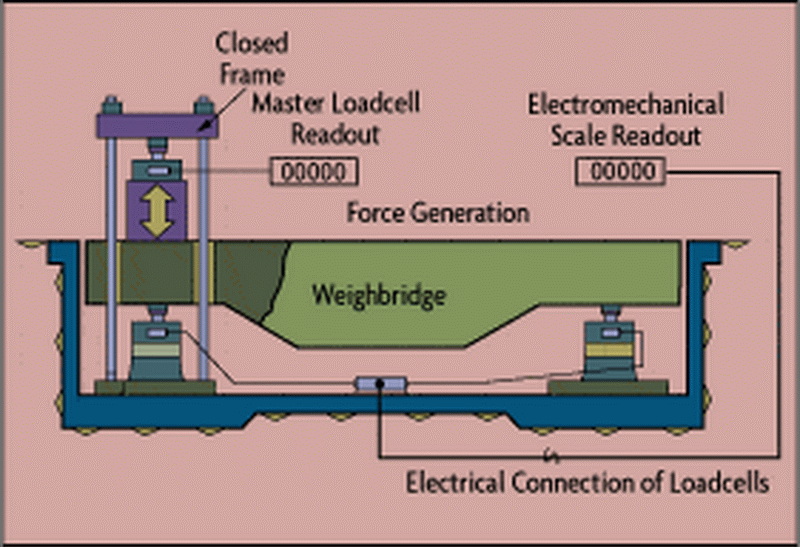
- Calibration weights or a master load cell
- Data acquisition system
- Temperature-controlled environment
- Mounting fixtures and accessories
- Documentation tools for recording measurements
Step-by-Step Calibration Factor Calculation
1. Zero Calibration
- Ensure the load cell is properly mounted
- Allow system warm-up time
- Record the zero-load output signal
2. Span Calibration
- Apply known weights incrementally
- Record output signals at each weight point
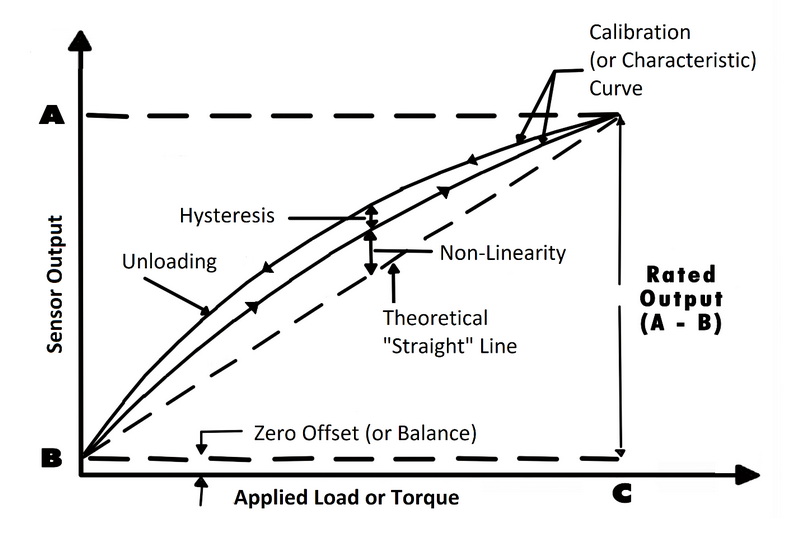
- Create a calibration curve
3. Factor Calculation
- Plot the applied load vs. output signal
- Calculate the slope of the linear relationship
- Determine the calibration factor using the formula
Practical Implementation and Best Practices
Key considerations for accurate calibration:
- Maintain stable environmental conditions
- Use certified calibration weights
- Follow proper mounting procedures
- Document all calibration steps
- Perform regular verification checks
Common Issues and Troubleshooting
- Temperature effects on calibration
- Nonlinearity compensation
- Hysteresis considerations
- Zero drift correction
- Environmental interference mitigation
Applications and Industry Standards
The calibration factor calculation is crucial in:
- Industrial weighing systems
- Material testing equipment
- Quality control processes
- Research and development
- Legal for trade applications
Conclusion
Accurate calculation of the load cell calibration factor is fundamental for precise force and weight measurements. Regular calibration, proper documentation, and adherence to best practices ensure reliable measurement results across various applications.
Frequently Asked Questions
Q1: How often should load cell calibration be performed?
A1: Calibration frequency depends on usage, environment, and accuracy requirements. Generally, annual calibration is recommended, with more frequent checks for critical applications.
Q2: What affects load cell calibration accuracy?
A2: Temperature variations, mechanical stress, electrical interference, mounting conditions, and environmental factors can all impact calibration accuracy.
Q3: Can load cells be calibrated without certified weights?
A3: While possible using comparative methods or master load cells, certified weights provide the most accurate calibration results and are recommended for critical applications.
Q4: How do you verify calibration factor accuracy?
A4: Through verification tests using known weights, repeatability checks, and comparison with previous calibration data.
Q5: What documentation should be maintained for load cell calibration?
A5: Calibration certificates, raw data, environmental conditions, equipment used, traceability information, and uncertainty calculations should be documented.Additional Video Resources: