The FIBOS FA107B is a miniature force sensor specifically designed for surface force measurement applications. Constructed from stainless steel, it weighs only 0.03 kg. Its compact and lightweight design makes it suitable for a wide range of tight installation spaces, while offering excellent force measurement accuracy and environmental adaptability to meet force measurement requirements in various scenarios, including industrial inspection, equipment R&D, and laboratory testing. With standardized wiring and installation designs, it offers strong adaptability and ease of use, making it a cost-effective choice for miniature surface force measurement applications.
Planar Load Cell Force Sensor Dimensions(Unit:mm)
We provide 3D model files of our products.
Support to facilitate your design of workpiece.
Planar Load Cell Force Sensor Load Direction
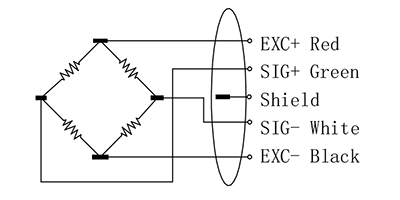
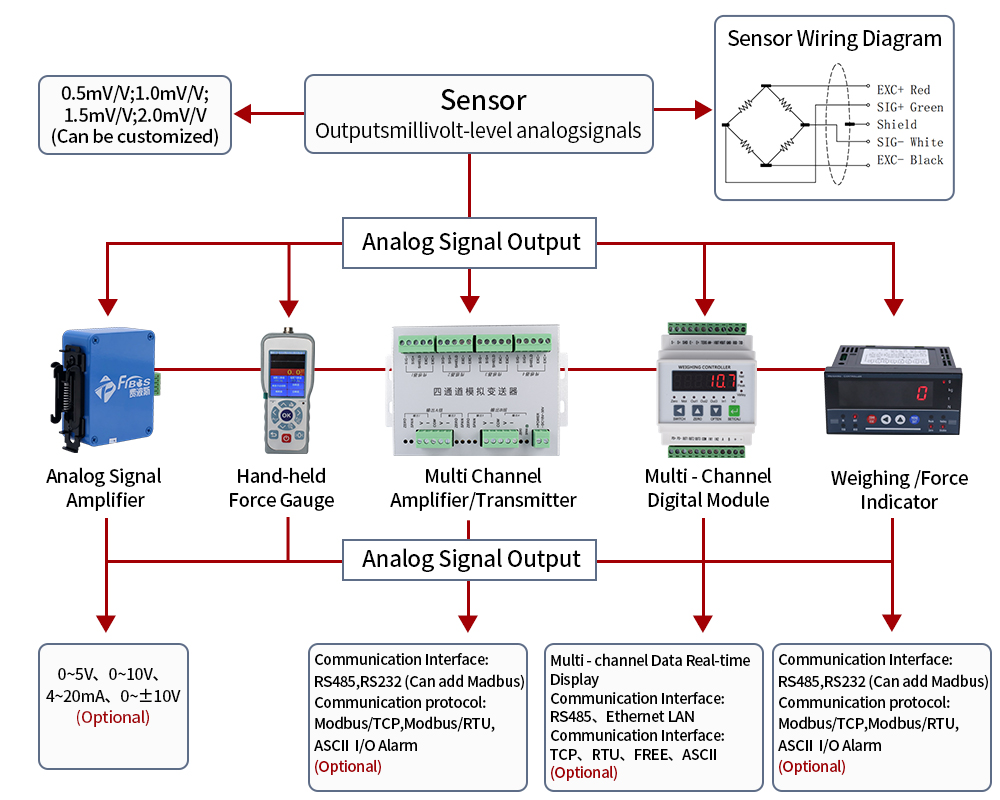
Planar Load Cell Force Sensor Wiring
Planar Load Cell Force Sensor Specifications
Sensor Physical Parameters
Nominal Capacity
100,200,300,500N
Deflection at Full Scale
<0.03mm
Fundamental resonance frequency (f_G)
>5KHz
Safe Overload
150%F.S.
Operating Temperature
-20~80℃
Ingress Protection (IP)
IP65
Cable
φ2x3m
Spring Element Material
17-4PH
weight
0.02kg
Loading Direction
Compression
Sensor Accuracy Parameters
Combined Error
≤0.1%F.S.
Non-linearity
≤0.5%F.S.
Hysteresis
≤0.3%F.S.
Repeatability
≤0.3%F.S.
Creep(30min)
≤0.1%F.S.
Temperature Effect on Output
0.1%F.S./10℃
Electrical Parameters
Rated Output
1.0±30%mV/V
Excitation Voltage
5~12V DC
Insulation Resistance
≥5000MΩ/100V(DC)
Planar Load Cell Force Sensor Installation
For pressure sensors with spherical probes, it is recommended to use finished high-strength steel for supporting tooling, especially for sensors with larger ranges.
Planar Load Cell Force Sensor Styling Suggestions
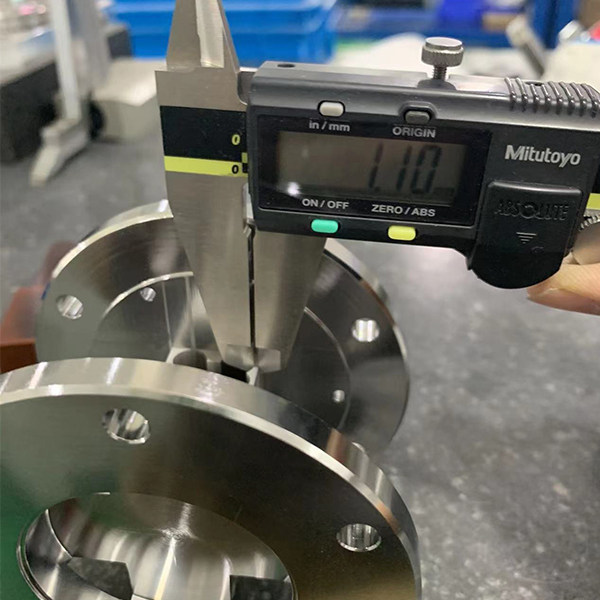
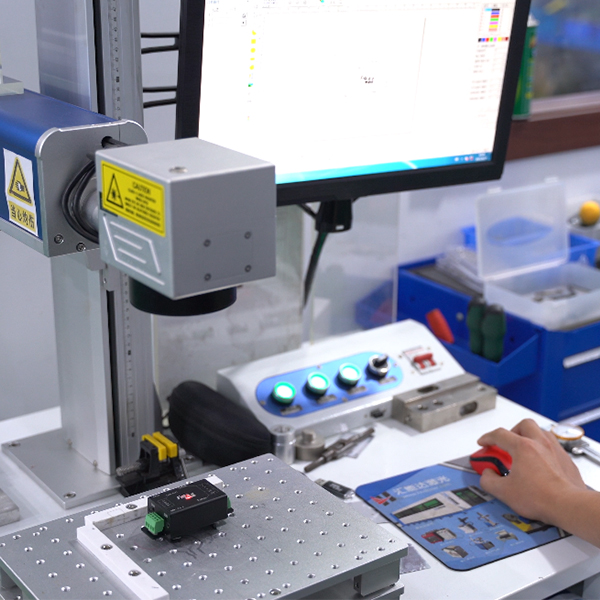
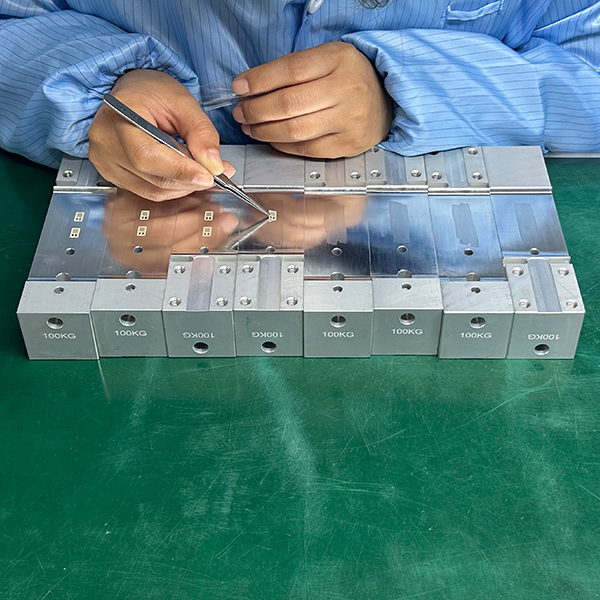
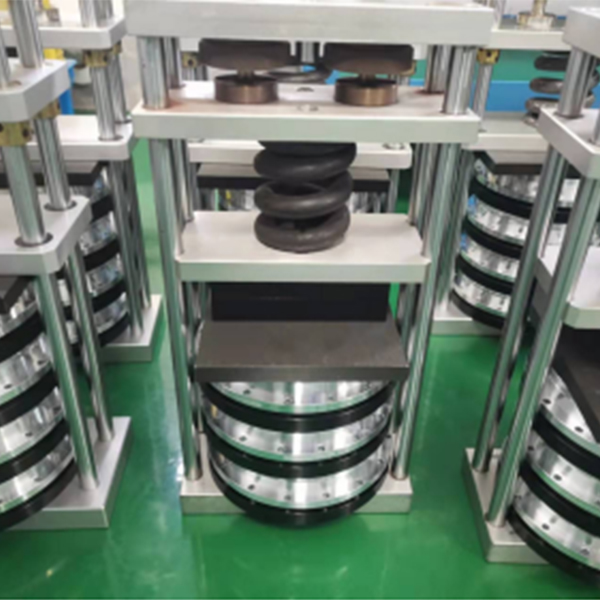
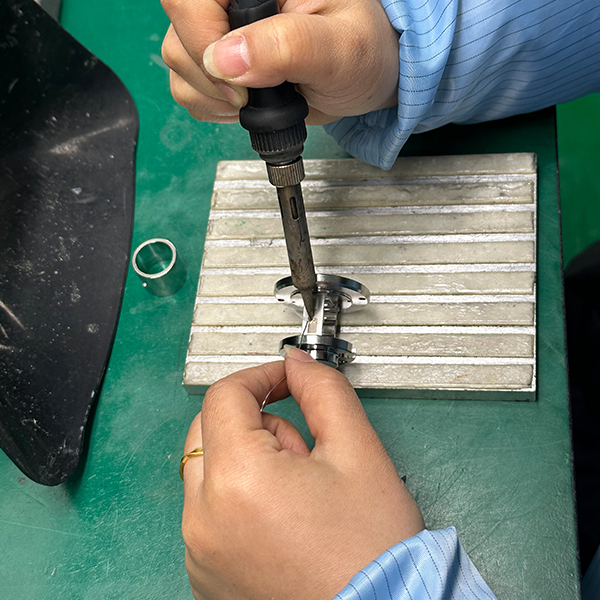
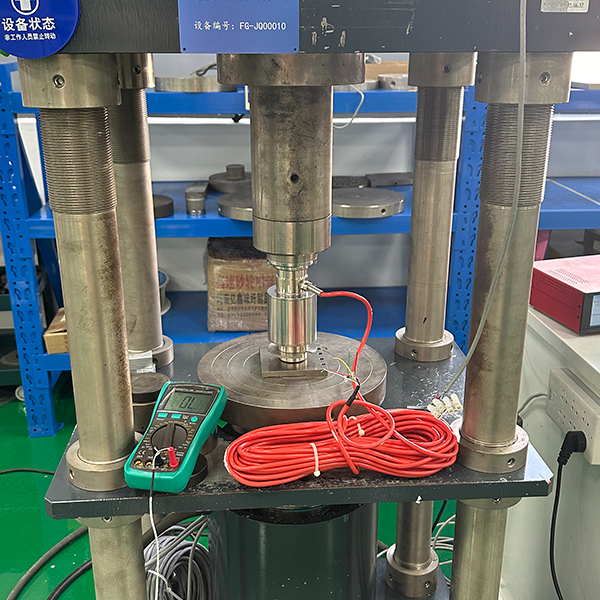
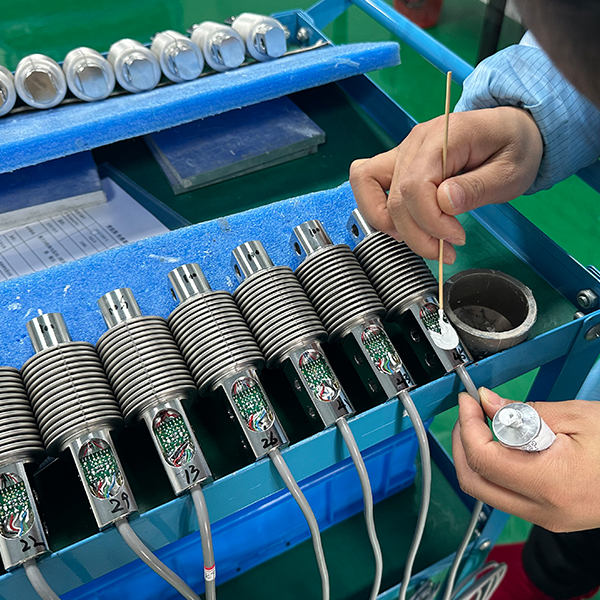
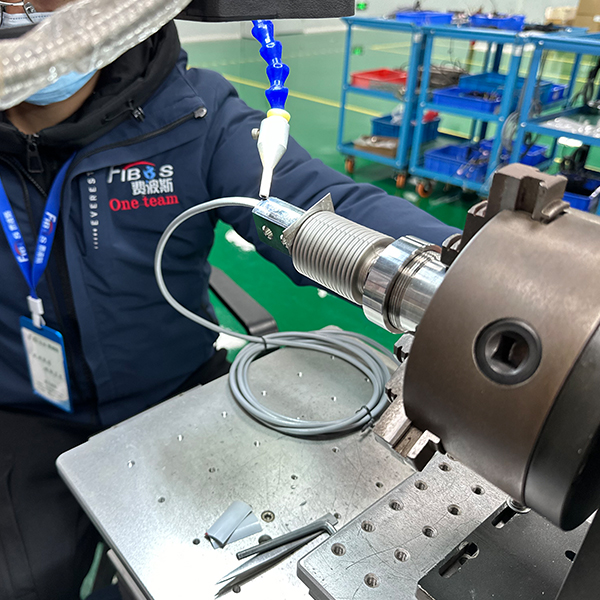
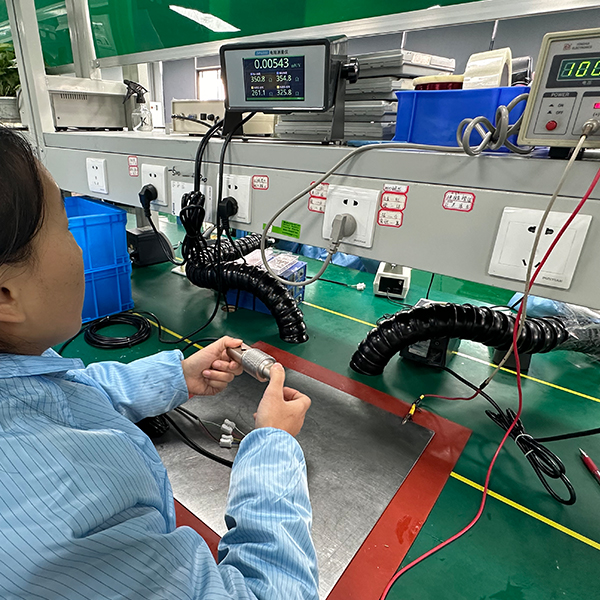
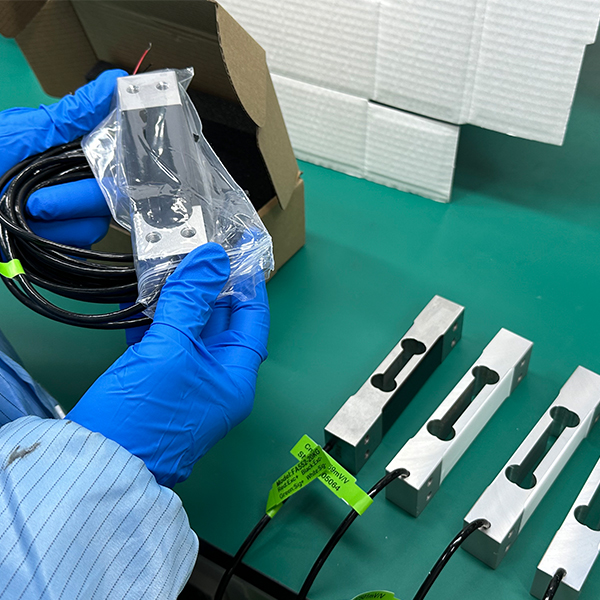
Force sensor manufacturing process
01 Incoming Material Inspection
02 Laser Marking
03 Cleaning and Placement
04 Pressure curing
05 Bridge Assembly Welding
06 Test Compensation
07 Adhesive application and curing
08 Laser welding
09 Finished Product Re-testing
10 Cleaning and packaging
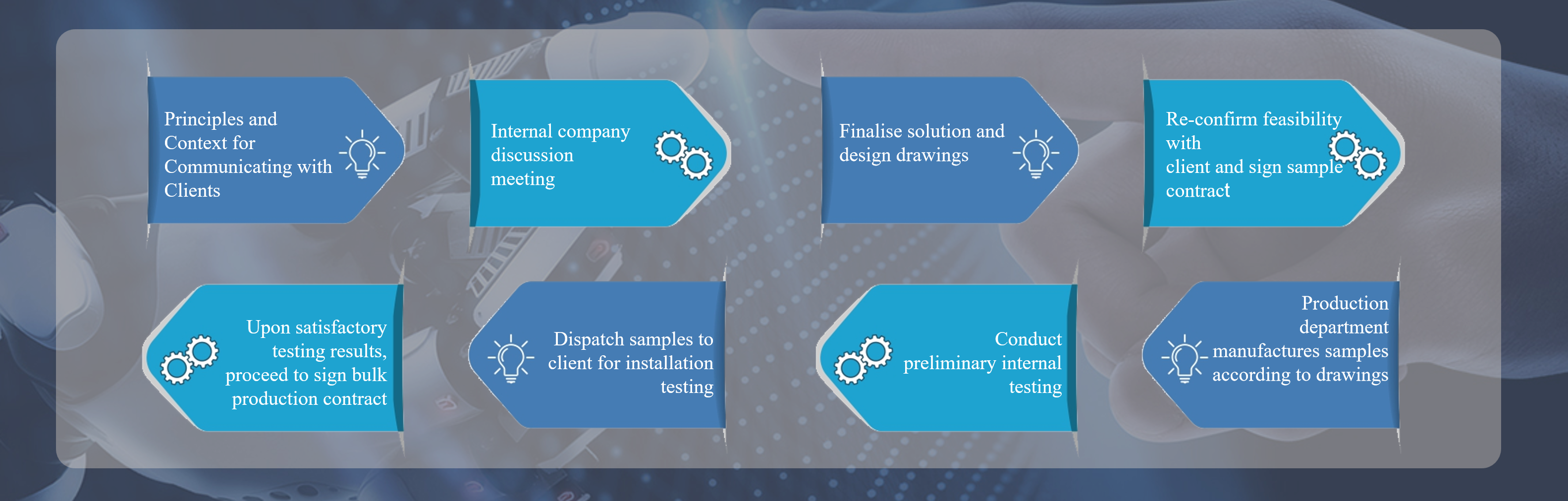
Planar Load Cell Force Sensor Non-standard customisation process
Fibos possesses a professional technical team capable of developing customized products to meet specific client requirements. Our R&D cycle is seamlessly integrated with our in-house production lines, enabling us to deliver relevant products within a short timeframe.
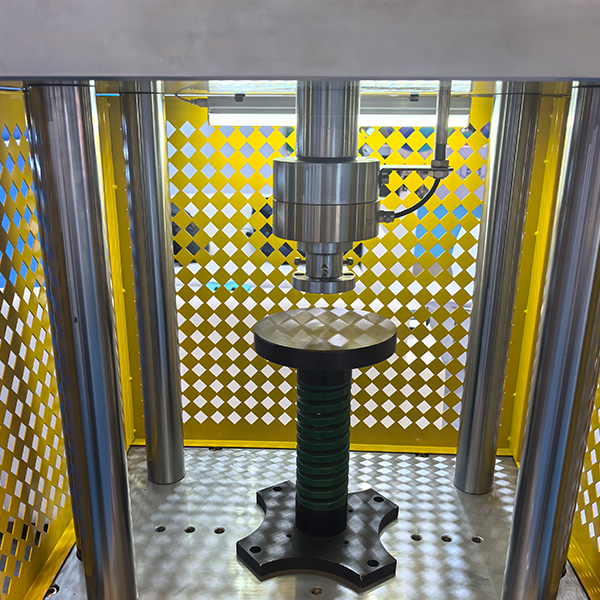
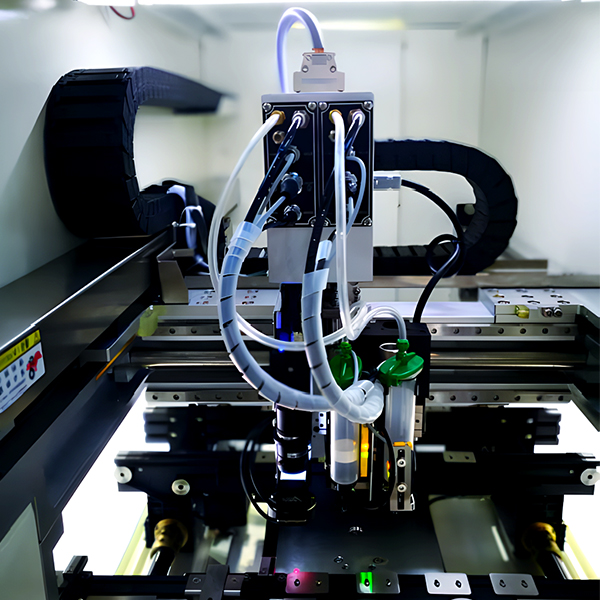
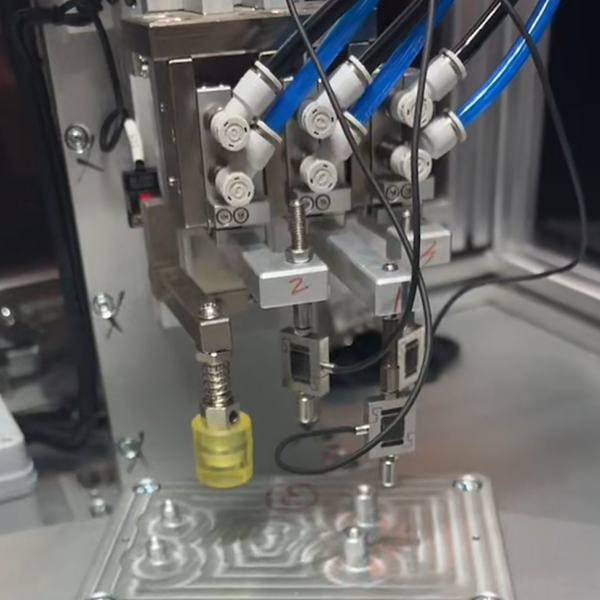
Force Sensor Case Studies
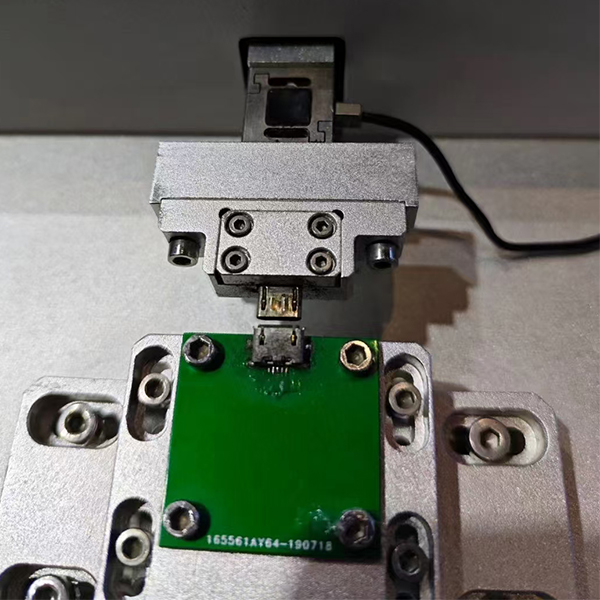
Sensors for insertion and extraction testing
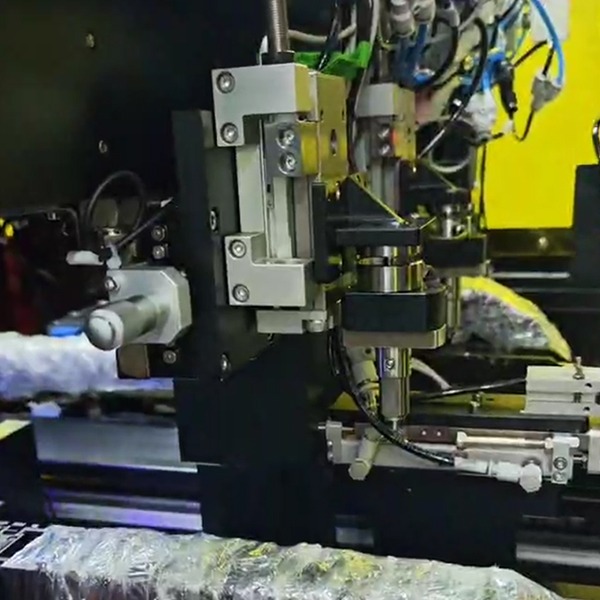
Sensors for camera dispensing machines
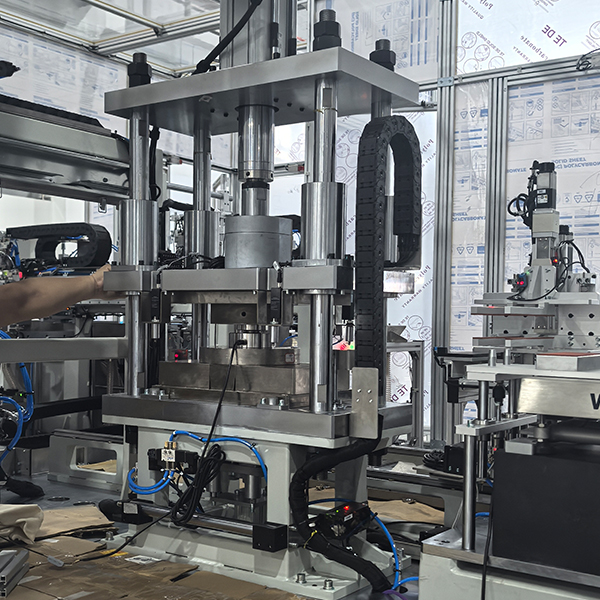
Sensors for press-fitting equipment
Sensors for press-fitting equipment
Industrial Applications of Micro-Force Sensors
Industrial Applications of Micro-Force Sensors
Industrial Applications of Micro-Force Sensors
Industrial Applications of Micro-Force Sensors
Frequently Asked Questions about Force Sensors
Q1:What is the measurement principle of FA107B?
A: FA107B is based on the strain gauge principle with a Wheatstone bridge structure. Mechanical deformation causes resistance changes, generating an output voltage proportional to the applied force (mV/V).
Q2:How does off-center loading affect measurement accuracy?
A: Due to its compact structure, FA107B is sensitive to eccentric loading. Off-center forces can cause uneven strain distribution, resulting in non-linearity, reduced repeatability, and potential structural stress concentration.
Q3:How does creep affect long-term measurements?
A: The creep of FA107B is ≤0.1%FS (30 min). Long-term loading may cause gradual signal drift, affecting static measurement accuracy. Preloading or software compensation is recommended.
Q4:What causes zero drift in force sensors?
A: Zero drift may result from material fatigue, temperature changes, mounting stress, and electronics drift. Regular calibration is recommended.
Q5:How to minimize installation-induced errors?
A: Ensure a flat mounting surface, proper axial loading, and avoid side forces or additional stress. Mechanical design is critical for accuracy.
Q6:What should be considered in dynamic measurement applications?
A: FA107B has a natural frequency >5kHz, suitable for dynamic applications. System performance also depends on amplifier bandwidth, sampling rate, and mounting stiffness. A sampling rate 5–10× the signal frequency is recommended.
For over a decade, FIBOS has been engaged in manufacturing micro force sensor and load cells. We are proud to support all of our customers, regardless of their size.
Load cell capacity range from 100g to 1000ton Reduction delivery time by 40%.
Precision Force Sensing
— Engineered for Stability, Calibrated for Accuracy.
Custom designs • Technical Support • Rapid Response





 to facilitate your design of workpiece.