Industrial automation has become one of the most significant driving forces behind modern manufacturing. Companies are increasingly adopting automated production systems to improve productivity, reduce manufacturing costs, enhance product quality, and maintain a competitive advantage. Compression sensors are specialized force measurement devices that provide accurate, real-time data for monitoring applied loads and optimizing production processes. They are widely used in assembly lines, hydraulic presses, quality inspection systems, robotics, weighing equipment, packaging machinery, and material testing. With the rise of Industry 4.0 and the Industrial Internet of Things (IIoT), compression sensors have evolved into intelligent devices capable of communicating with PLCs, industrial computers, SCADA systems, and cloud platforms, making them essential components of modern smart factories.
What Is a Compression Sensor?
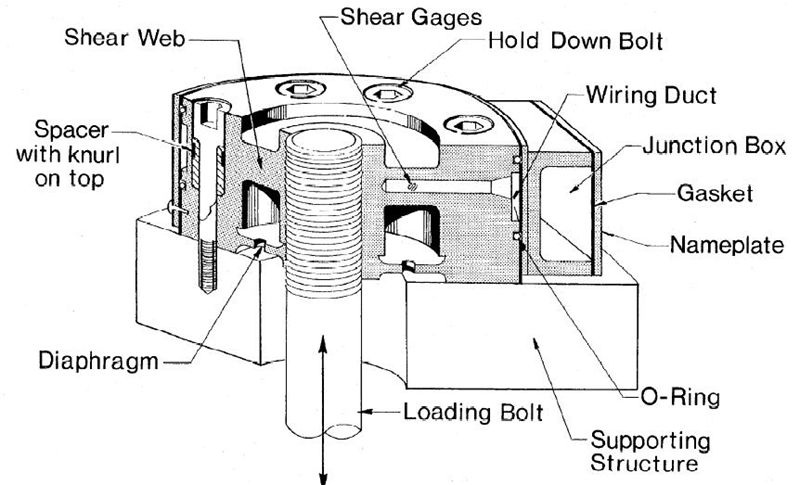
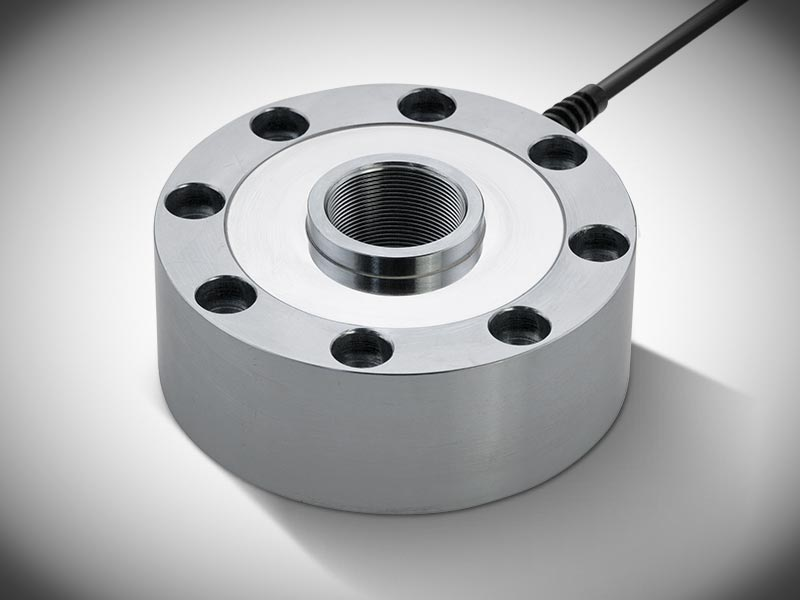
A compression sensor, also known as a compression load cell, is designed to measure axial compressive forces. Most compression sensors use strain gauge technology. When force is applied, the elastic element deforms slightly, causing the bonded strain gauges to change electrical resistance. A Wheatstone bridge converts these changes into an electrical signal proportional to the applied force. Compression sensors are available in capacities ranging from a few newtons to thousands of tons and are valued for their accuracy, repeatability, durability, and long-term stability.
Working Principle
The sensor consists of an elastic body, strain gauges, a Wheatstone bridge circuit, and a signal conditioning module. Under compression, the elastic body deforms minutely, altering the resistance of the strain gauges. The resulting millivolt signal is amplified and converted into standard outputs such as 4–20 mA, 0–10 V, RS-485, or Modbus RTU for integration with PLCs, HMIs, SCADA systems, and industrial computers.
Key Features
Compression sensors offer high accuracy, excellent repeatability, wide measurement ranges, compact construction, overload protection, long-term stability, and resistance to harsh industrial environments. Many models are available with IP65, IP67, or IP68 protection ratings.
![Force sensor]()
Applications
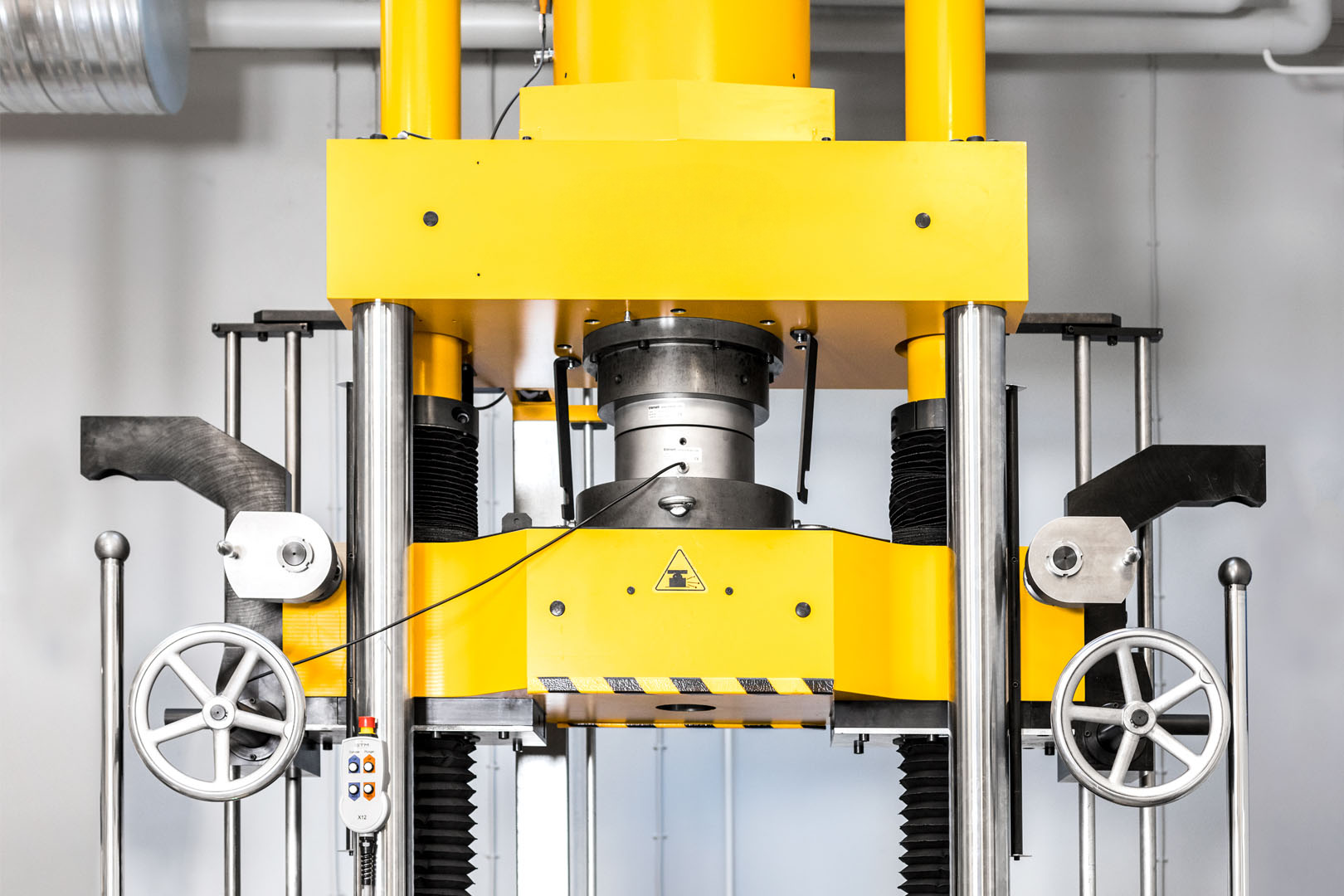
Compression sensors are widely used in automated assembly and press-fitting operations to verify correct installation forces, in hydraulic and servo presses for force control, in quality inspection systems for structural and load testing, in industrial weighing systems such as silos, tanks, and hoppers, in robotic automation for force feedback and collaborative operation, in universal testing machines for material testing, and in packaging, food processing, and pharmaceutical machinery where precise force control is critical. They also provide overload protection by triggering alarms or machine shutdown when force limits are exceeded.
![Force sensor]()
Benefits
Using compression sensors improves manufacturing precision, product consistency, machine reliability, equipment safety, production efficiency, and predictive maintenance while reducing scrap, downtime, and maintenance costs.
![Force sensor]()
Selection Guidelines
When selecting a compression sensor, consider load capacity, required accuracy, installation method, operating temperature, environmental conditions, protection rating, output signal, and dynamic response.
Future Trends
Future compression sensors will incorporate wireless communication, self-diagnostics, AI-assisted predictive maintenance, cloud connectivity, edge computing, higher accuracy, and compact multi-axis designs, further supporting smart manufacturing.
Request for Quotation (RFQ)
If you are looking for high-quality compression sensors for your industrial automation application, please contact us with the following information:
• Required capacity (N, kN, kg, ton)
• Accuracy requirement
• Operating temperature
• Installation dimensions or drawing
• Output signal (mV/V, 4–20 mA, 0–10 V, RS-485, Modbus, etc.)
• Application description
• Quantity required
• Special environmental requirements (IP rating, corrosion resistance, etc.)
Our engineering team can recommend the most suitable solution and provide customized products to meet your application requirements.
Conclusion
Compression sensors are indispensable in industrial automation. Their precise and reliable force measurement improves product quality, optimizes production processes, protects machinery, and supports intelligent manufacturing. As Industry 4.0 continues to expand, compression sensors will play an even greater role in enabling efficient, safe, and data-driven production.
Frequently Asked Questions (FAQ)
Q1: What are the primary applications of compression sensors?
Answer: Compression sensors are primarily used in automated assembly, press-fitting operations, quality inspection, weighing systems, and equipment protection.
Q2: Are compression sensors suitable for industrial automation?
Answer: Yes. Compression sensors can be easily integrated with PLCs and industrial control systems, enabling real-time force monitoring and automated process control.
Q3: How do I choose the right compression sensor?
Answer: When selecting a compression sensor, consider the following factors:
l Required measurement range (capacity)
l Accuracy requirements
l Installation method
l Operating environment (temperature, humidity, vibration, etc.)
Choosing the appropriate sensor ensures reliable performance and long-term measurement stability.