
Views: 222 Author: Leah Publish Time: 2025-02-10 Origin: Site


Content Menu
● Understanding Garage Door Systems
>> Importance of Balanced Tension
● LiftMaster Tension Sensor: Features and Benefits
● Troubleshooting Common Issues
>> When to Seek Professional Help
● Upgrading Older Garage Door Systems
● Best Practices for Maintaining Garage Door Systems
● FAQ About LiftMaster Tension Sensors
>> 1. What is a LiftMaster tension sensor and what does it do?
>> 2. How does a tension sensor improve garage door safety?
>> 3. Can I install a LiftMaster tension sensor myself, or do I need a professional?
>> 4. What are some common issues with LiftMaster tension sensors and how can they be resolved?
>> 5. How often should I maintain my garage door system to ensure the tension sensor works correctly?
Garage door systems have evolved significantly over the years, integrating advanced technologies to enhance safety, security, and convenience. Among these innovations, the LiftMaster tension sensor stands out as a critical component that ensures optimal garage door performance. This article delves into the workings, benefits, and importance of LiftMaster tension sensors, providing a comprehensive understanding of how they contribute to a reliable and safe garage door system.
A garage door system comprises several key components working in harmony to provide seamless operation. These include:
- Garage Door Opener: The motorized unit that controls the opening and closing of the garage door[4].
- Springs: Torsion or extension springs provide the necessary force to lift and lower the heavy door[4].
- Cables: These connect the springs to the door, assisting in the lifting process[1].
- Tracks: The vertical and horizontal tracks guide the door's movement[3].
- Rollers: These enable the door to move smoothly along the tracks[3].
- Safety Sensors: These detect obstructions in the door's path, preventing accidents[4][5].
- Tension Sensor: Monitors the tension in the cables to ensure balanced and safe operation[1].
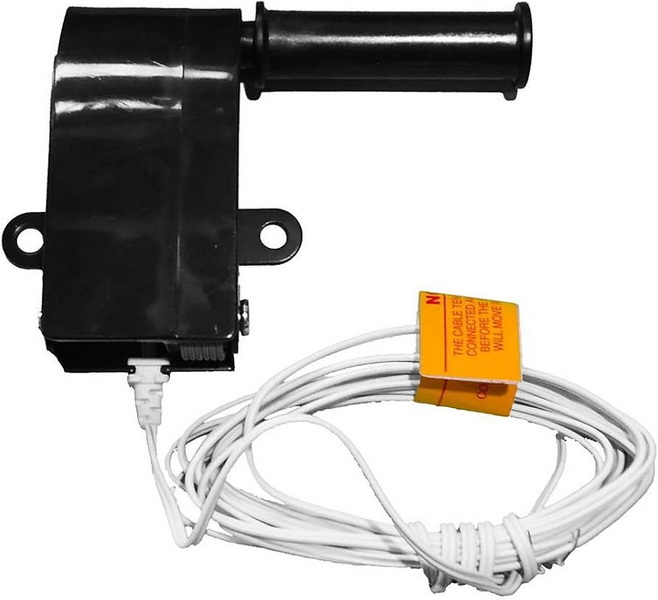
The tension sensor, particularly in LiftMaster systems, plays a crucial role in monitoring the tension of the cables that lift the garage door. This is especially important in side-mounted garage door openers, where the tension needs to be accurately maintained to prevent operational issues[1].
LiftMaster tension sensors are designed to detect any imbalance in the cable tension. When the sensor detects a slack or excessive tension, it sends a signal to the garage door opener to stop or reverse the door's movement. This prevents potential accidents and damage to the door and opener system[1].
Maintaining balanced tension in the garage door cables is vital for several reasons:
- Safety: Uneven tension can cause the door to drop unexpectedly, posing a significant safety risk[5].
- Performance: Balanced tension ensures smooth and consistent door movement, reducing strain on the opener motor[4].
- Longevity: Proper tension reduces wear and tear on the cables, springs, and other components, extending the lifespan of the garage door system[2].
LiftMaster is a renowned brand in the garage door industry, known for its innovative and reliable products. Their tension sensors come with several features that enhance garage door performance:
- Real-time Monitoring: Continuously monitors cable tension, providing immediate feedback to the opener[1].
- Automatic Adjustment: Some models can automatically adjust the opener settings to compensate for minor tension variations[3].
- Error Detection: Identifies and alerts users to potential issues with cable tension through error codes[1].
- Compatibility: Designed to work seamlessly with LiftMaster garage door openers, ensuring optimal performance[7].
One of the primary benefits of the LiftMaster tension sensor is enhanced safety. By detecting imbalances in cable tension, the sensor prevents the door from operating in an unsafe condition. This is particularly important in households with children or pets, where the risk of accidents is higher[2].
The tension sensor ensures that the garage door operates smoothly and consistently. By maintaining proper cable tension, the door opens and closes without jerking or binding, reducing strain on the opener motor and prolonging its lifespan[4].
By continuously monitoring cable tension, the LiftMaster tension sensor helps identify potential issues early on. This allows homeowners to address minor problems before they escalate into major repairs, reducing the overall maintenance costs and extending the life of the garage door system[2].
Many modern LiftMaster garage door openers with tension sensors can be integrated into smart home systems. This allows homeowners to monitor and control their garage door remotely, receiving alerts if any issues are detected. This integration adds an extra layer of security and convenience, providing peace of mind whether you are at home or away[2].
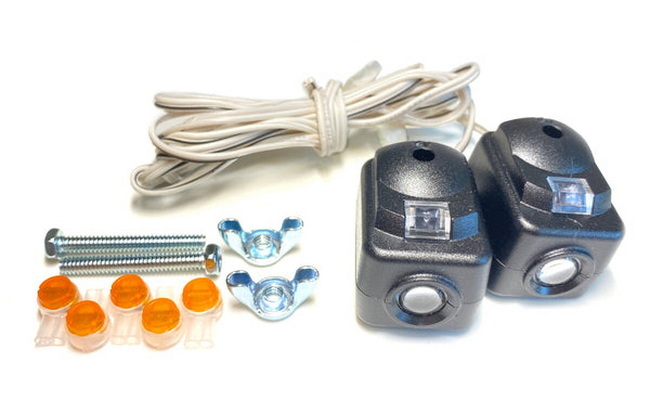
The installation and setup of a LiftMaster tension sensor typically involve the following steps:
1. Preparation: Ensure the garage door is in the closed position and disconnect the power to the opener[6].
2. Mounting: Install the tension sensor according to the manufacturer's instructions, usually near the cable attachment points[1].
3. Wiring: Connect the sensor to the garage door opener, ensuring all connections are secure[1].
4. Calibration: Calibrate the sensor according to the opener's manual. This may involve setting the tension limits and testing the sensor's response[1].
5. Testing: Test the garage door to ensure it operates smoothly and the sensor detects any tension imbalances[1].
While some homeowners may choose to install the tension sensor themselves, professional installation is often recommended. A trained technician can ensure the sensor is properly installed and calibrated, maximizing its performance and reliability[2].
Despite their reliability, LiftMaster tension sensors may encounter occasional issues. Here are some common problems and how to troubleshoot them:
- Error Codes: If the garage door opener displays an error code related to the tension sensor, consult the manual for troubleshooting steps[1].
- False Alarms: If the sensor triggers frequently without any apparent tension issues, check the sensor's calibration and ensure it is properly aligned[1].
- Sensor Failure: If the sensor fails to respond or provide accurate readings, it may need to be replaced[6].
If you are unable to resolve the issue on your own, it is best to seek professional help. A qualified garage door technician can diagnose and repair the problem, ensuring your garage door system operates safely and reliably[2].
For homeowners with older garage door systems, upgrading to a LiftMaster opener with a tension sensor can provide significant benefits. Modern sensors offer improved reliability, enhanced safety features, and smart home integration capabilities[2].
- Enhanced Safety: Modern sensors provide more accurate and reliable detection of tension imbalances[2].
- Improved Performance: Upgraded openers offer smoother and more consistent door operation[4].
- Smart Home Integration: Many newer models can be integrated into smart home systems, providing remote monitoring and control[2].
- Energy Efficiency: Some upgraded systems offer energy-saving features, reducing energy consumption and lowering utility bills[2].
To ensure the longevity and reliability of your garage door system, follow these best practices:
- Regular Inspections: Inspect the cables, springs, and rollers regularly for signs of wear and tear[6].
- Lubrication: Lubricate moving parts, such as rollers and hinges, to ensure smooth operation[6].
- Tension Adjustment: Check and adjust the cable tension as needed to maintain balance[1].
- Sensor Maintenance: Keep the safety sensors clean and free from obstructions[2].
- Professional Servicing: Schedule professional servicing at least once a year to ensure all components are in good working order[2].
The LiftMaster tension sensor is a vital component in modern garage door systems, enhancing safety, improving performance, and reducing maintenance. By continuously monitoring cable tension and preventing unsafe operation, the tension sensor provides homeowners with peace of mind and a reliable garage door system. Whether you are installing a new garage door opener or upgrading an existing system, consider the benefits of a LiftMaster tension sensor to ensure optimal performance and safety.

The LiftMaster tension sensor is a device that monitors the tension in the garage door cables. It detects imbalances and sends a signal to the garage door opener to stop or reverse the door's movement, preventing accidents and damage[1].
By detecting slack or excessive tension in the cables, the tension sensor prevents the garage door from operating in an unsafe condition. This reduces the risk of the door dropping unexpectedly or causing injury[5].
While some homeowners may choose to install the tension sensor themselves, professional installation is recommended. A trained technician can ensure the sensor is properly installed and calibrated, maximizing its performance and reliability[2].
Common issues include error codes, false alarms, and sensor failure. Error codes can be resolved by consulting the manual, false alarms by checking the sensor's calibration, and sensor failure by replacing the sensor[1].
Regular maintenance, including inspections, lubrication, and tension adjustments, should be performed regularly. Professional servicing should be scheduled at least once a year to ensure all components, including the tension sensor, are in good working order[2].
[1] https://www.reddit.com/r/GarageDoorService/comments/1av2e6n/liftmaster_98022_new_install_tension_monitor/
[2] https://www.garagedoorandrepairphoenix.com/blog/safety-benefits-of-upgrading-garage-door-sensors
[3] https://www.reddit.com/r/GarageDoorService/comments/14w5ygi/liftmaster_98022_is_there_any_advantage_to_this/
[4] https://www.edl-gm.com/everything-you-need-to-know-about-liftmaster-garage-door-openers/
[5] https://www.tapeswitch.co.uk/the-importance-of-garage-door-sensors-enhancing-home-safety-and-convenience/
[6] https://aidensgaragedoorservices.com/blog/liftmaster-error-5
[7] https://www.liftmaster.com/cable-tension-monitor-kit/p/041A6104
[8] https://raynor.com/everything-you-should-know-about-garage-door-safety-sensors/
