Content Menu
● Introduction
● What is a Load Cell?
● The Concept of Limit Frequency
>> Why is Limit Frequency Important?
● Factors Affecting Limit Frequency
● Typical Limit Frequencies for Load Cells
● Impact of Exceeding Limit Frequency
● Selecting the Right Load Cell for Dynamic Applications
● Techniques to Increase Limit Frequency
● Applications Requiring High Limit Frequencies
● Case Study: Load Cell in a High-Speed Packaging Machine
● Measuring Limit Frequency
● The Role of Data Acquisition Systems
● Limit Frequency and Temperature Effects
● Future Trends in Load Cell Technology
● Conclusion
● Frequently Asked Questions
>> 1. What happens if I exceed the limit frequency of a load cell?
>> 2. Can I increase the limit frequency of an existing load cell?
>> 3. How does the limit frequency relate to the sampling rate of my data acquisition system?
>> 4. Are there alternatives to traditional load cells for very high-frequency measurements?
>> 5. How does temperature affect the limit frequency of a load cell?
Introduction
Load cells are crucial components in various industries, from manufacturing to aerospace, playing a vital role in measuring force and weight. One of the key parameters that engineers and technicians must consider when working with load cells is their limit frequency. This article delves into the concept of limit frequency for load cells, its importance, and how it affects their performance in dynamic applications.
What is a Load Cell?
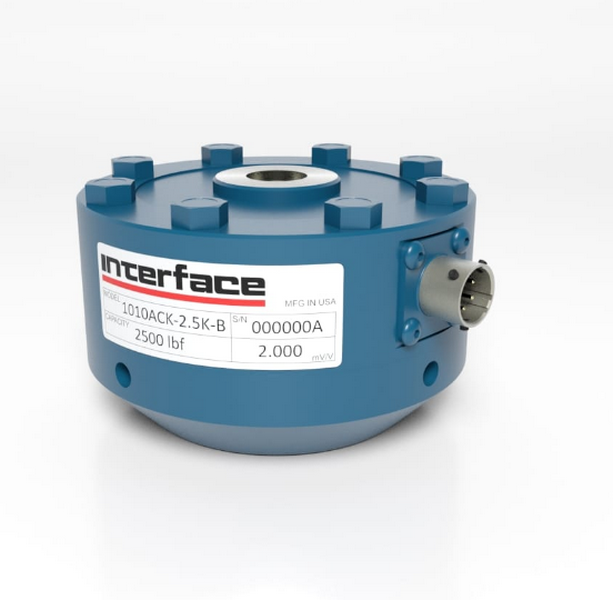
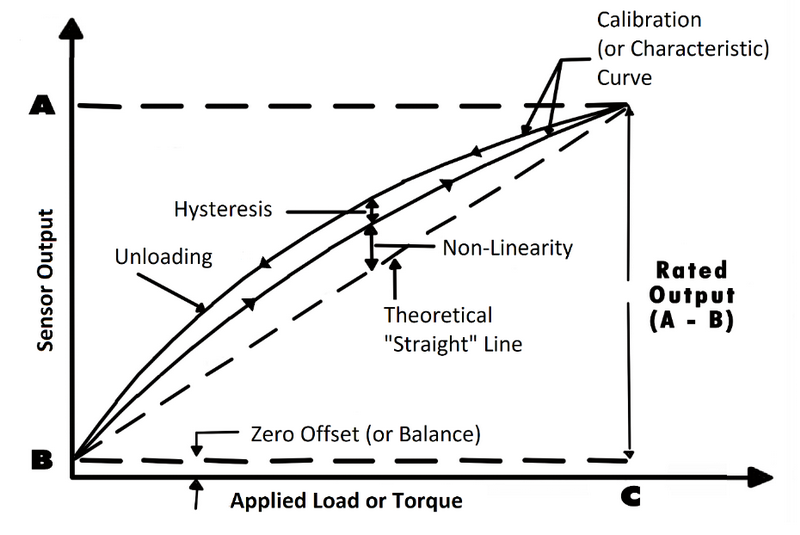
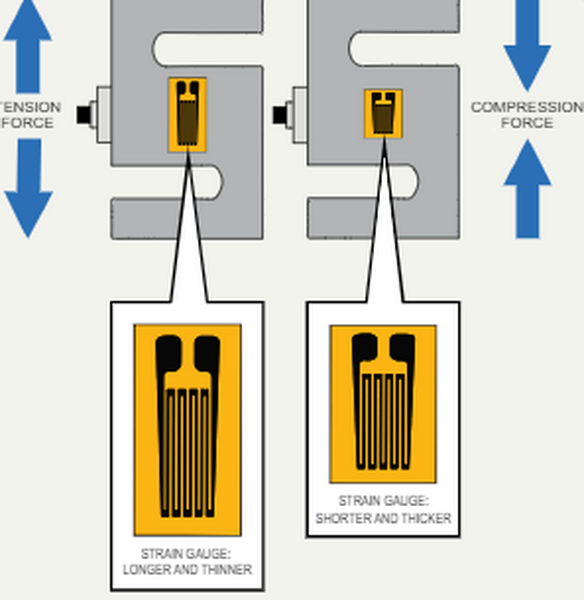
Before we explore the limit frequency, let's first understand what a load cell is. A load cell is a transducer that converts force into a measurable electrical output. It typically consists of a metal body with strain gauges attached to it. When a force is applied, the metal body deforms slightly, causing the strain gauges to change their electrical resistance. This change in resistance is then converted into an electrical signal proportional to the applied force.

The Concept of Limit Frequency
The limit frequency, also known as the natural frequency or resonant frequency, is the highest frequency at which a load cell can accurately measure dynamic loads. It represents the point at which the load cell's output begins to deviate significantly from the actual applied force due to mechanical resonance.
Why is Limit Frequency Important?
Understanding the limit frequency is crucial for several reasons:
1. Accuracy: Operating a load cell above its limit frequency can lead to inaccurate measurements.
2. Damage prevention: Exceeding the limit frequency can potentially damage the load cell.
3. Application suitability: It helps determine whether a particular load cell is suitable for dynamic applications.
Factors Affecting Limit Frequency
Several factors influence the limit frequency of a load cell:
1. Stiffness: Higher stiffness generally results in a higher limit frequency.
2. Mass: The mass of the load cell and any attached fixtures affects its natural frequency.
3. Geometry: The shape and size of the load cell impact its resonant characteristics.
4. Material: Different materials have varying elastic properties, affecting the limit frequency.
Typical Limit Frequencies for Load Cells
The limit frequency of load cells can vary widely depending on their design and intended application. Here are some general ranges:
- Low-frequency load cells: 10-100 Hz
- Medium-frequency load cells: 100-1000 Hz
- High-frequency load cells: 1000-10,000 Hz
Impact of Exceeding Limit Frequency
When a load cell is subjected to forces with frequencies above its limit frequency, several issues can arise:
1. Measurement inaccuracy: The load cell's output may not accurately represent the applied force.
2. Resonance: The load cell may enter a state of resonance, potentially leading to damage.
3. Signal distortion: The electrical output may become distorted, making it difficult to interpret.
Selecting the Right Load Cell for Dynamic Applications
When choosing a load cell for applications involving dynamic loads, consider the following:
1. Determine the highest frequency component of the force you need to measure.
2. Select a load cell with a limit frequency at least 3-5 times higher than your maximum measurement frequency.
3. Consider the entire measurement chain, including mounting fixtures and data acquisition systems.

Techniques to Increase Limit Frequency
If you need to measure higher frequency forces, there are several techniques to increase the limit frequency of a load cell system:
1. Use stiffer load cells
2. Minimize the mass of attachments
3. Employ mechanical filters or damping systems
4. Consider piezoelectric load cells for very high-frequency applications
Applications Requiring High Limit Frequencies
Several industries and applications require load cells with high limit frequencies:
1. Crash testing in the automotive industry
2. Aerospace vibration testing
3. High-speed manufacturing processes
4. Sports science and biomechanics research
Case Study: Load Cell in a High-Speed Packaging Machine
Let's consider a case study of a high-speed packaging machine that needs to measure the force applied to seal packages at a rate of 100 packages per second.
The force application in this scenario has a fundamental frequency of 100 Hz. To accurately measure this force, we would need a load cell with a limit frequency of at least 300-500 Hz (3-5 times the fundamental frequency).
Measuring Limit Frequency
To determine the limit frequency of a load cell experimentally, engineers often use the following methods:
1. Impulse testing: Applying a short duration force and analyzing the response
2. Sweep testing: Applying a sinusoidal force with increasing frequency and observing the output
3. Modal analysis: Using specialized equipment to measure the vibrational modes of the load cell
The Role of Data Acquisition Systems
When working with high-frequency load cells, it's crucial to consider the entire measurement chain. The data acquisition system must be capable of sampling at a rate at least twice the highest frequency component you wish to measure (according to the Nyquist-Shannon sampling theorem).
For example, if you're working with a load cell that has a limit frequency of 1000 Hz, your data acquisition system should be capable of sampling at least 2000 times per second.
Limit Frequency and Temperature Effects
It's important to note that the limit frequency of a load cell can be affected by temperature changes. As temperature increases, the stiffness of the load cell material may decrease slightly, potentially lowering the limit frequency. High-quality load cells often incorporate temperature compensation to mitigate these effects.
Future Trends in Load Cell Technology
As industries continue to demand higher performance and faster measurements, load cell technology is evolving. Some emerging trends include:
1. Advanced materials: Use of new alloys and composites to increase stiffness while reducing mass
2. Integrated electronics: On-board signal processing to improve dynamic response
3. Wireless technology: Elimination of cables to reduce mass and improve installation flexibility
4. AI and machine learning: Advanced algorithms to compensate for non-linear behavior at high frequencies
Conclusion
Understanding the limit frequency of load cells is crucial for ensuring accurate measurements in dynamic applications. By considering factors such as stiffness, mass, and geometry, engineers can select the appropriate load cell for their specific needs. As technology continues to advance, we can expect to see load cells with even higher limit frequencies, enabling more precise measurements in increasingly demanding applications.

Frequently Asked Questions
1. What happens if I exceed the limit frequency of a load cell?
Exceeding the limit frequency can lead to inaccurate measurements and potential damage to the load cell. The output signal may become distorted, and the load cell may enter a state of resonance, which can cause structural damage over time.
2. Can I increase the limit frequency of an existing load cell?
While you can't change the inherent limit frequency of a load cell, you can potentially increase the overall system's frequency response by:
- Minimizing the mass of attachments
- Improving the stiffness of the mounting
- Using mechanical filters or damping systems
3. How does the limit frequency relate to the sampling rate of my data acquisition system?
Your data acquisition system should have a sampling rate at least twice the highest frequency component you wish to measure. For example, if your load cell has a limit frequency of 1000 Hz, your data acquisition system should sample at least 2000 times per second.
4. Are there alternatives to traditional load cells for very high-frequency measurements?
Yes, for very high-frequency applications, piezoelectric sensors are often used. These can measure dynamic forces at frequencies up to several hundred kilohertz. However, they are not suitable for static or very low-frequency measurements.
5. How does temperature affect the limit frequency of a load cell?
Temperature changes can affect the stiffness of the load cell material, potentially altering its limit frequency. Generally, as temperature increases, the stiffness may decrease slightly, which could lower the limit frequency. High-quality load cells often incorporate temperature compensation to mitigate these effects.