Intelligent torque sensor Product Description |
Non-contact torque measurement based on the strain gauge principle
Utilises electromagnetic coupling technology for wireless power supply and signal transmission
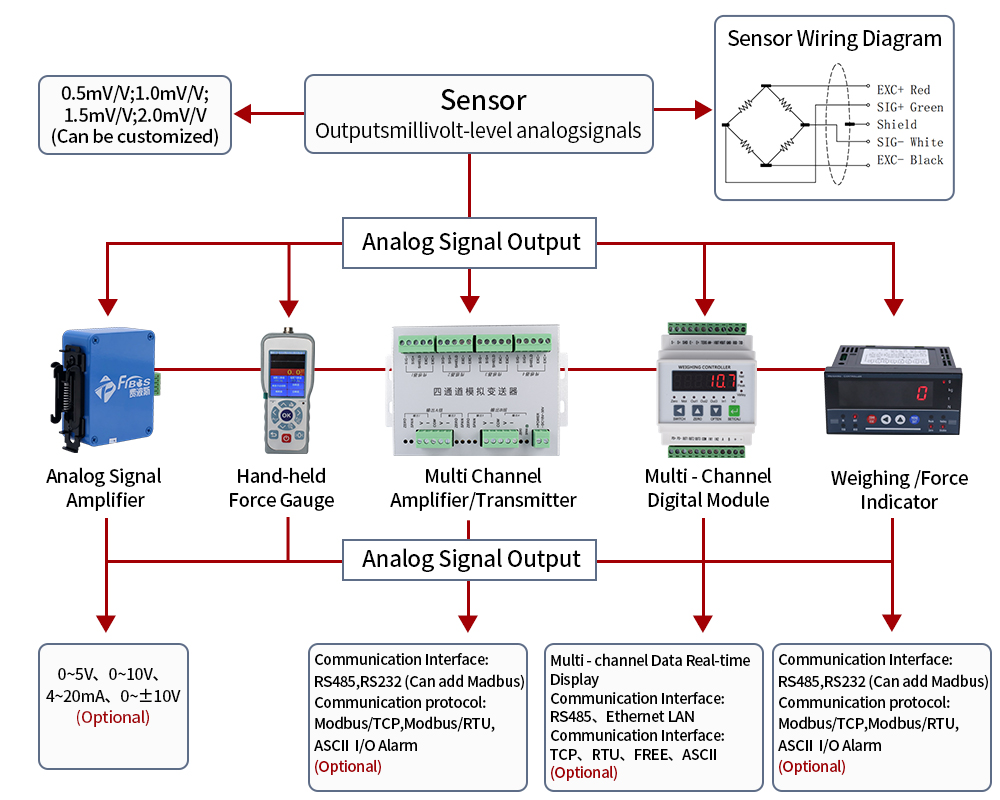
Digital, intelligent sensor supporting industrial buses, sensor self-diagnosis and multiple calibration methods
Ethernet (optional), CAN bus data output
±10 V analogue output, 60 kHz frequency signal output, 4–20 mA current output
High overload capacity, with a 2× overload rating; customisable up to 10× overload
Torque measurement range: ±50 N·m to ±10 kN·m; customisable
Accuracy: 0.1%, 0.05% (overall system accuracy)
Intelligent torque sensor Installati.on |
![FA611 Installation]()
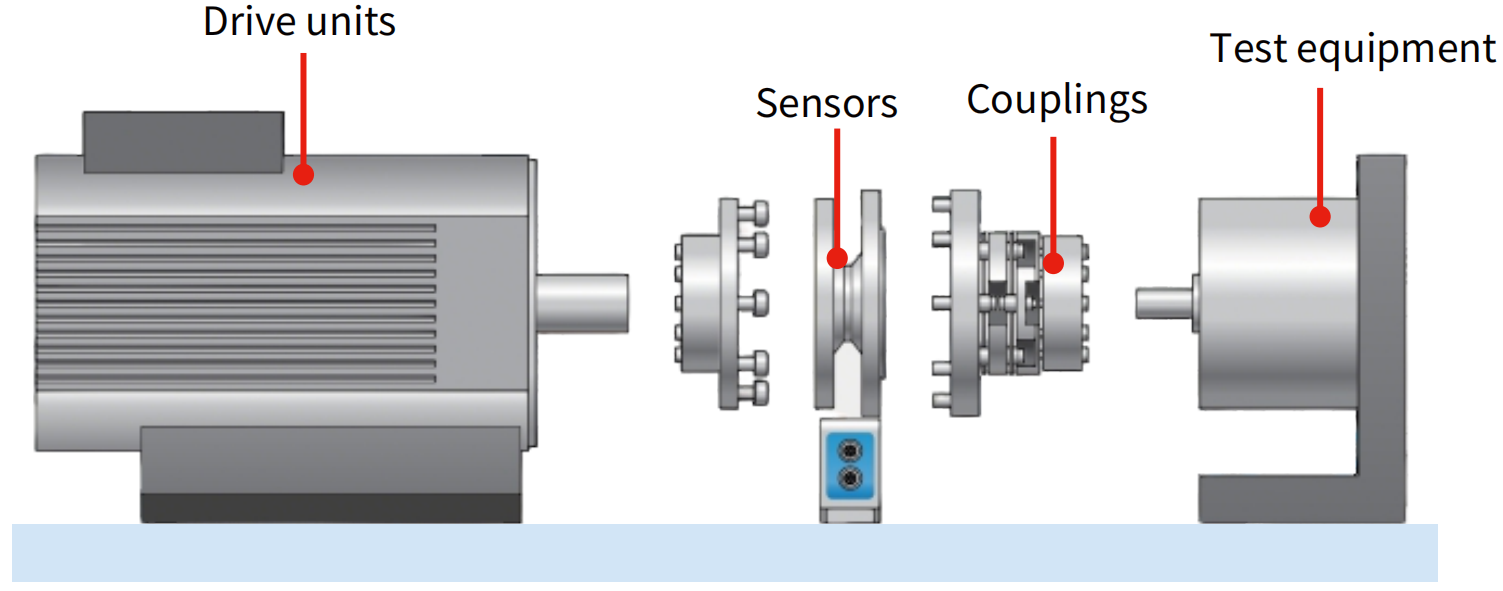
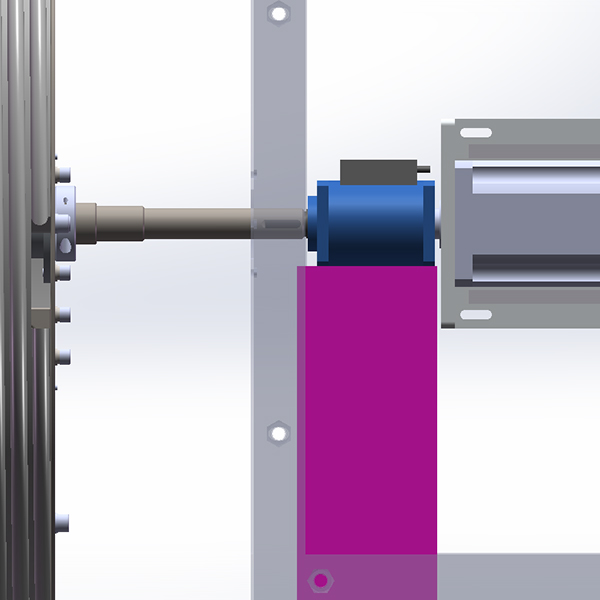
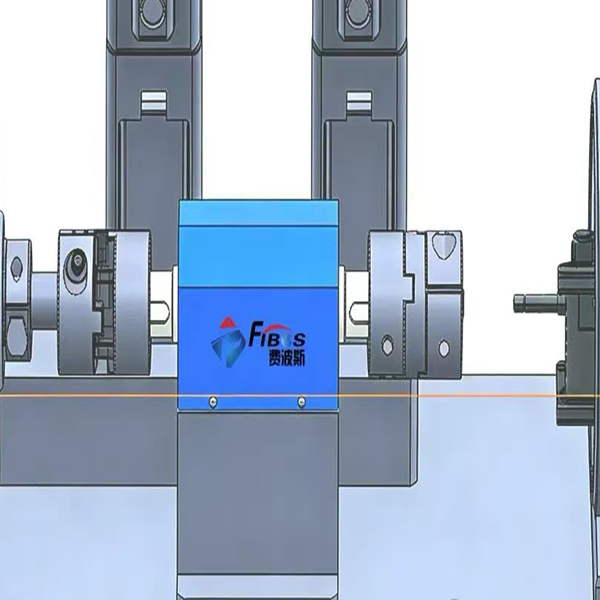
The FA611 torque sensor is assembled from three main components: a flange, a power supply antenna coil and a sensor base.
Flange: The flange is bolted to the test specimen and integrates torque signal acquisition, torque signal data processing, wireless power supply and wireless signal transmission.
Power supply antenna coil: Provides wireless power supply and antenna communication.
Sensor base: The signal reception and processing unit.
Intelligent torque sensor Specifications |
Flange Torque Sensor General Specifications Table |
| Code | 50Q | 100Q | 200Q | 500Q | 001R | 002R | 003R | 005R | 010R |
| Rotor weight | 1.1kg | 1.1kg | 1.1kg | 1.9kg | 1.9kg | 3.8kg | 3.9kg | 6.5kg | 10.9kg |
| Measurement range | 50N.m | 100N.m | 200N.m | 500N.m | 1KN.m | 2KN.m | 3KN.m | 5KN.m | 10KN.m |
| Rotational speed range | 0~20000RPM | 0~15000RPM | 0~12000RPM | 0~10000RPM |
| Optional rotational speed | 0~24000RPM | 0~22000RPM | 0~16000RPM | 0~14000RPM | 0~12000RPM |
| Accuracy | 0.1%(System accuracy) 0.05%(System accuracy) |
| Hysteresis | 0.1% 0.05% |
| Non-linearity | 0.1% 0.05% |
| Repeatabiity | 0.1% 0.05% |
| Bandwidth | 1KHz(Default) 2.4~5KHz(Optional) |
| Natural vibration frequency | ≥2KHZ | ≥1KHZ | ≥800HZ |
| Signal output method | Current signal: 4–20 mA (optional); Voltage signal: ±10 V (default); Frequency signal: 10 ± 5 kHz (default), 60 ± 30 kHz (optional), 240 ± 120 kHz (optional) |
| Data output method | CAN 2.0B (optional) Ethernet 10 Mbit/s/100 Mbit/s auto-negotiation (optional) |
| Operating voltage | DC12V/24V |
| System power | ≤15W |
| Nominal (rated)temperature | +10°C~+70°C |
| Operating temperature | -20°C~+85°C |
Intelligent torque sensor Installation |
![FA611 Installation]() |
| Please fit a bearing between the coupling and the other components to support the housing. |
Sensor Styling Suggestions |
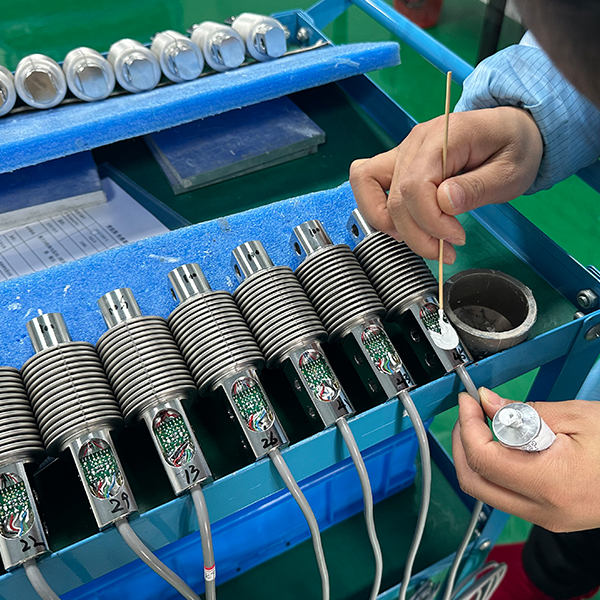
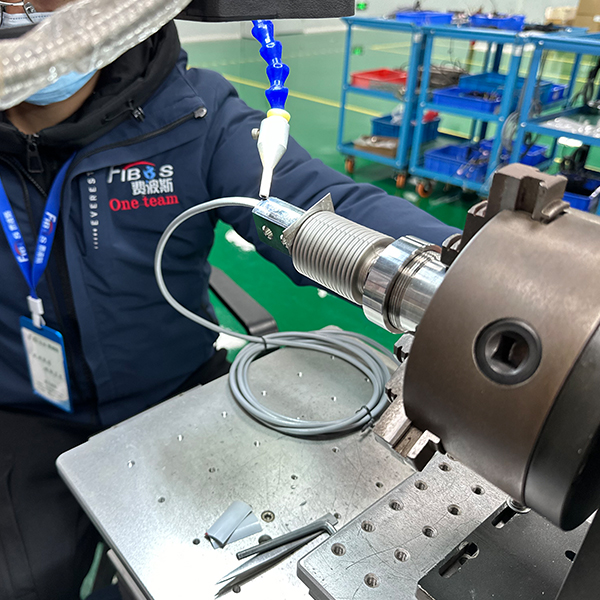
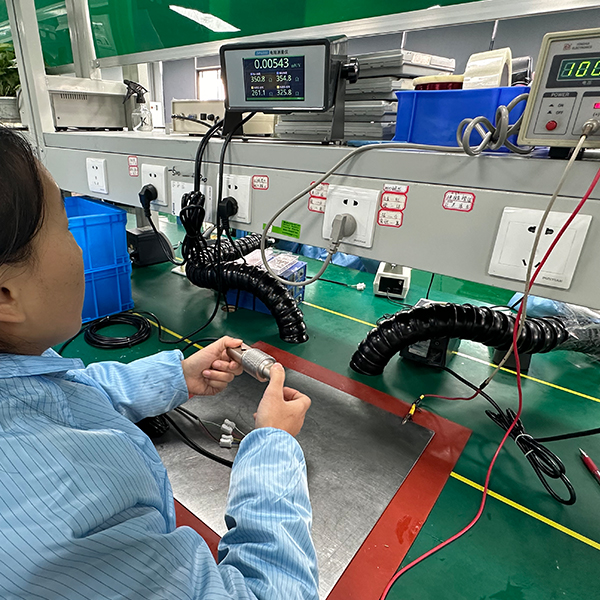
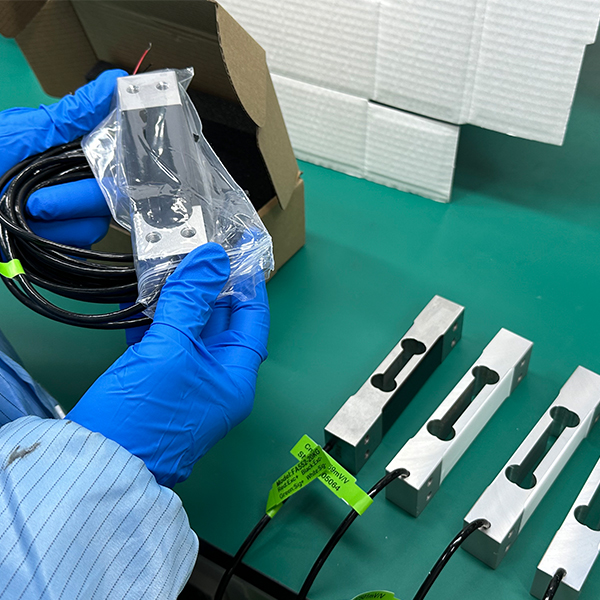
Force sensor manufacturing process |
![Incoming Material Inspection]()
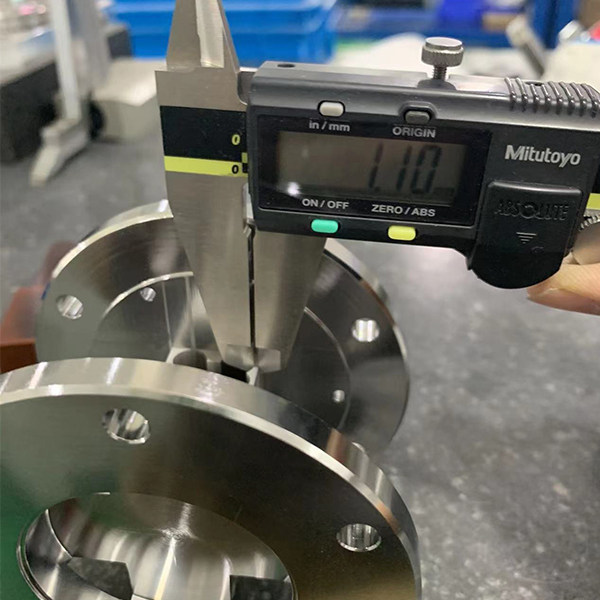
01 Incoming Material Inspection
![Laser Marking]()
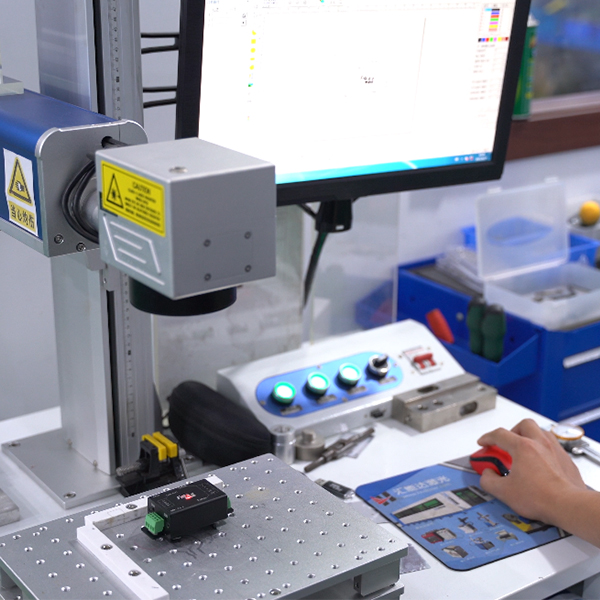
02 Laser Marking
![Cleaning and Placement]()
03 Cleaning and Placement
![Pressure curing]()
04 Pressure curing
![Bridge Assembly Welding]()
05 Bridge Assembly Welding
![Test Compensation]()
06 Test Compensation
![Adhesive application and curing]()
07 Adhesive application and curing
![Laser welding]()
08 Laser welding
![Finished Product Re-testing]()
09 Finished Product Re-testing
![Cleaning and packaging]()
10 Cleaning and packaging
Sensor Non-standard customisation process |
![Non-Standard Customization Process]()
|
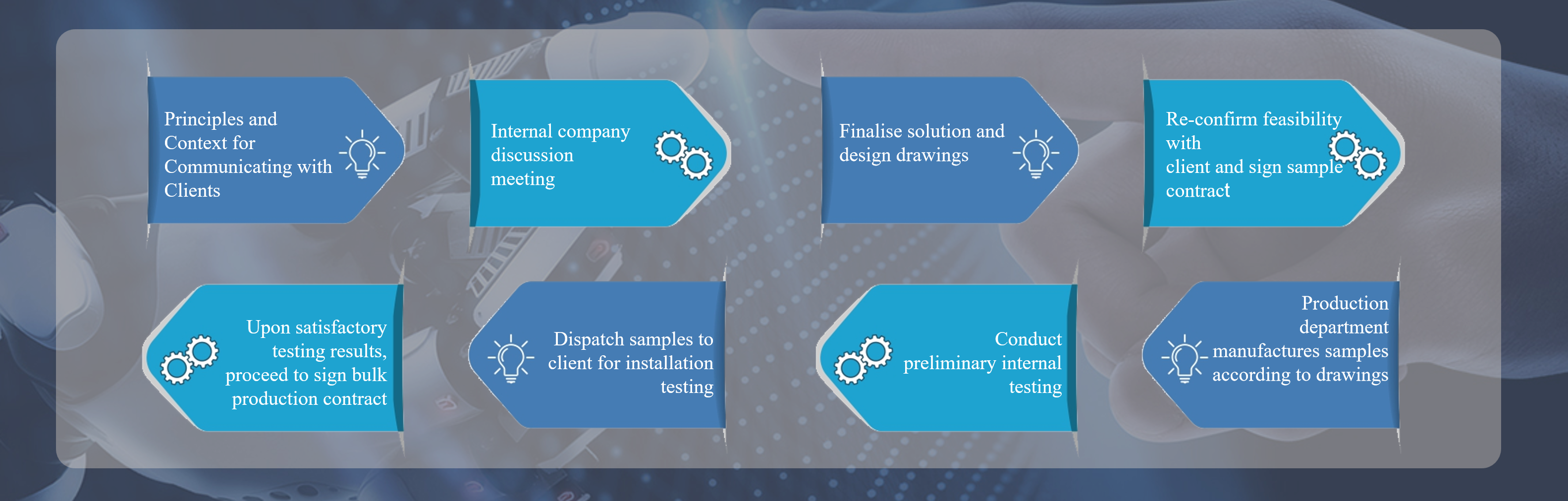
| Fibos possesses a professional technical team capable of developing customized products to meet specific client requirements. Our R&D cycle is seamlessly integrated with our in-house production lines, enabling us to deliver relevant products within a short timeframe. |
Customer case studies for the Torque series |
![Customer case studies for the Torque series (1)]()
Case Studies on Non-Contact Torque Applications
![Customer case studies for the Torque series (2)]()
Case Studies on Static Torque Applications
![Customer case studies for the Torque series (4)]()
Case Studies on Non-Contact Torque Applications
![Customer case studies for the Torque series (3)]()
Case Studies on Non-Contact Torque Applications
![Customer case studies for the Torque series (5)]()
Case Studies on Non-Contact Torque Applications
![Industrial Applications of Micro-Force Sensors]()
Industrial Applications of Micro-Force Sensors
![Industrial Applications of Micro-Force Sensors]()
Industrial Applications of Micro-Force Sensors
![Industrial Applications of Micro-Force Sensors]()
Industrial Applications of Micro-Force Sensors
Frequently Asked Questions about Force Sensors |
Q1: What is the FA611 used for?
A: It is a non-contact dynamic torque sensor for real-time torque and speed measurement on rotating machinery like motors, gearboxes, and engines.
Q2: How does it transmit power and signals?
A: It uses electromagnetic coupling for wireless power supply and wireless signal transmission, eliminating slip rings for zero wear and low maintenance.
Q3: What is its measurement accuracy and range?
A: System accuracy of 0.1%FS (0.05%FS optional), with a standard range of ±50N·m to ±10KN·m, fully customizable.
Q4: What output and communication options are available?
A: Supports ±10V analog, 4-20mA current, frequency outputs, plus CAN 2.0B and 10M/100M Ethernet for industrial system integration.
Q5: What is the maximum rotational speed it can handle?
A: Up to 20000RPM (model-dependent), suitable for high-speed dynamic testing and monitoring.
Q6: Is it durable for harsh industrial environments?
A: Yes. It has 2x overload protection (up to 10x customizable), a -20℃~+85℃ operating range, and strong anti-interference performance.
Q7: Is it easy to install?
A: Yes. Modular design with flange mounting, simple bolt-on installation for quick integration into existing equipment.