Aluminium Single Point Load Cell Product Description |
The FIBOS FA501 is a high-precision, lightweight aluminum alloy load cell, specifically designed for light-load weighing scenarios ranging from 0.3kg to 10kg. Its optimized planar beam structure ensures excellent linearity and ultra-low drift under both dynamic and static loads, making it an ideal alternative to traditional cantilever beam sensors, especially suitable for precision laboratory balances, small electronic scales, and medical device weighing systems with limited space and high stability requirements.
Aluminium Single Point Load Cell Dimensions(Unit:mm) |
![Aluminium Single Point Load Cell (1)]()
| Cap(kg) | A |
0.3,0.5,1
| 12 |
2,3,5,10
| 15 |
Aluminium Single Point Load Cell Direction | Aluminium Single Point Load Cell Wiring |
![Aluminium Single Point Load Cell (2)]() |  |
Aluminium Single Point Load Cell Specifications |
Sensor Physical Parameters |
Nominal Capacity | 0.3,0.5,1,2,3,5,10kg |
Deflection at Full Scale | <0.26mm |
Fundamental resonance frequency (f_G) | >88Hz |
Safe Overload | 150%F.S. |
Operating Temperature | -20~60℃ |
Ingress Protection (IP) | IP65 |
Cable | φ3x0.3m |
Spring Element Material | Aluminium alloy |
weight | 0.1kg |
Maximum size of the scale | 200x200mm |
Sensor Accuracy Parameters |
Combined Error | ≤0.02%F.S. |
Non-linearity | ≤0.02%F.S. |
Hysteresis | ≤0.02%F.S. |
Repeatability | ≤0.02%F.S. |
Creep(30min) | ≤0.05%F.S. |
Temperature Effect on Output | 0.01%F.S./10℃ |
Electrical Parameters |
Rated Output | 1.0±0.1mV/V;2.0±0.1mV/V |
Excitation Voltage | 5~12V DC |
| Insulation Resistance | ≥5000MΩ/100V(DC) |
Aluminium Single Point Load Cell Installation |
![Aluminium Single Point Load Cell (3)]() |
| Single-point load cell is generally designed for the fixed end and measuring end in the same plane, so it is necessary to process two pads to make the sensor high, so as to allow the sensor to have deformation space. For the weighing sensor with small range, it is recommended to design an anti-overload limit screw under the measuring end. The limit screw should be able to fine tune the distance from the sensor and can self-lock the position, so that when the sensor reaches the full scale just deformation against the overload screw, to prevent further deformation and damage. |
Aluminium Single Point Load Cell Styling Suggestions |
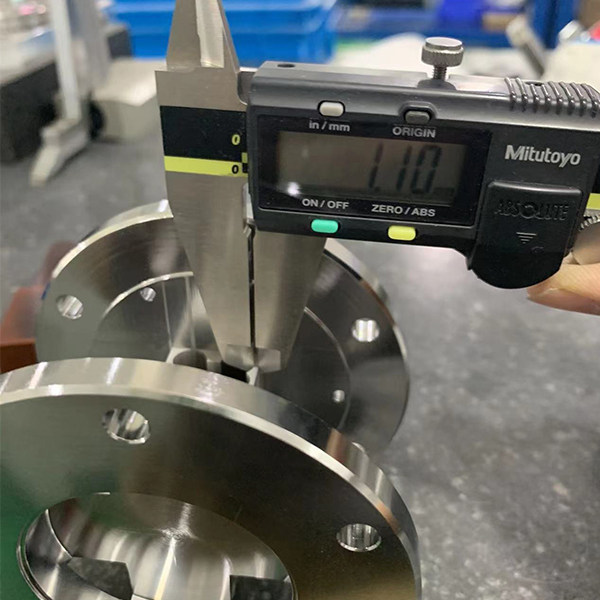
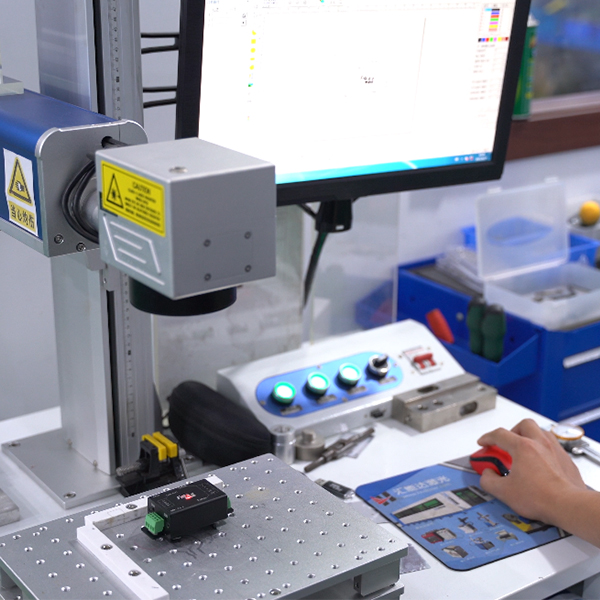
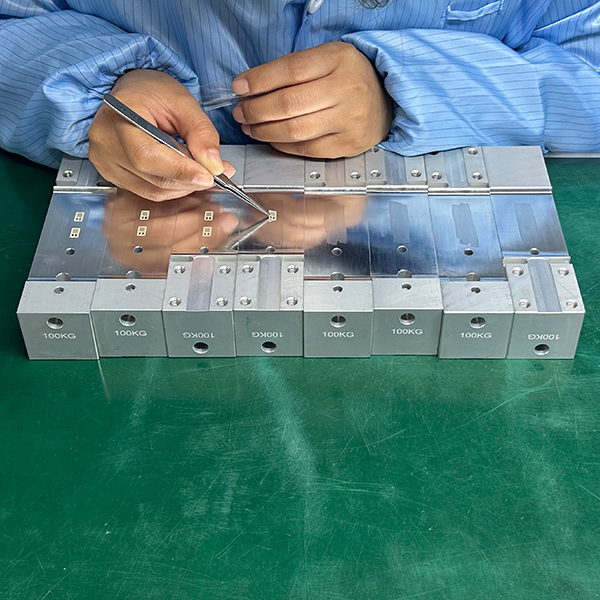
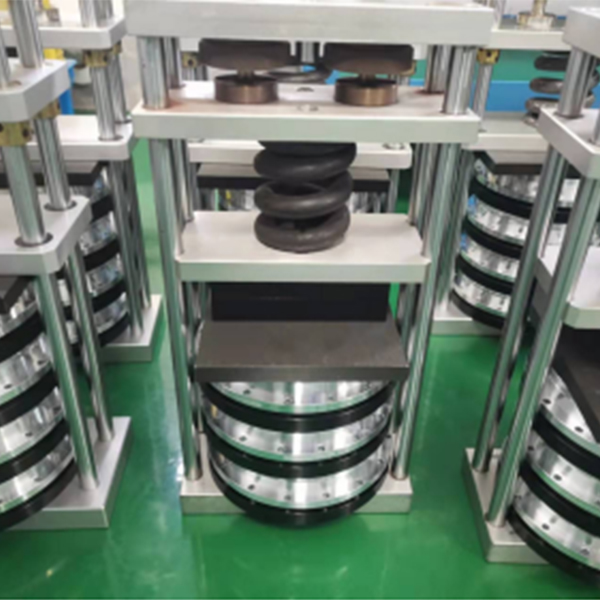
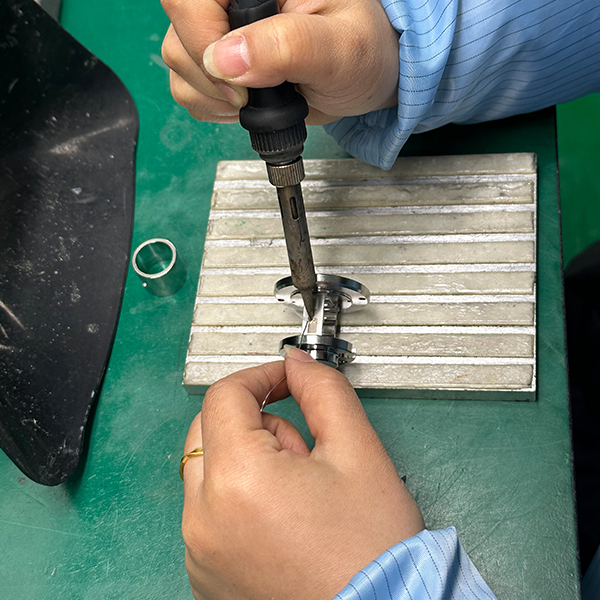
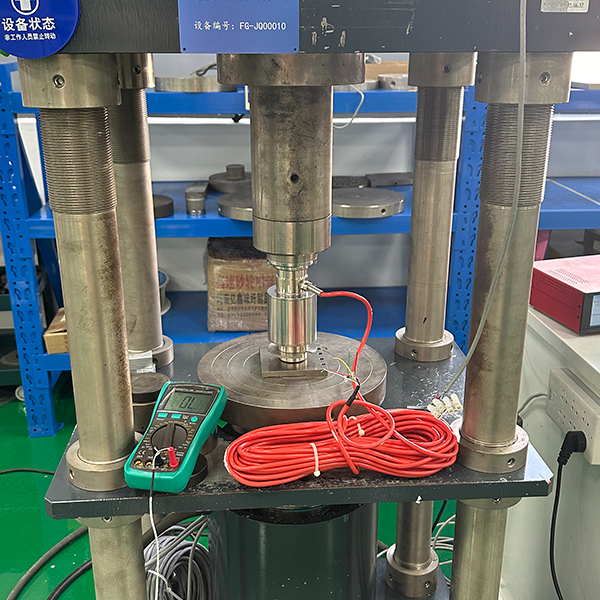
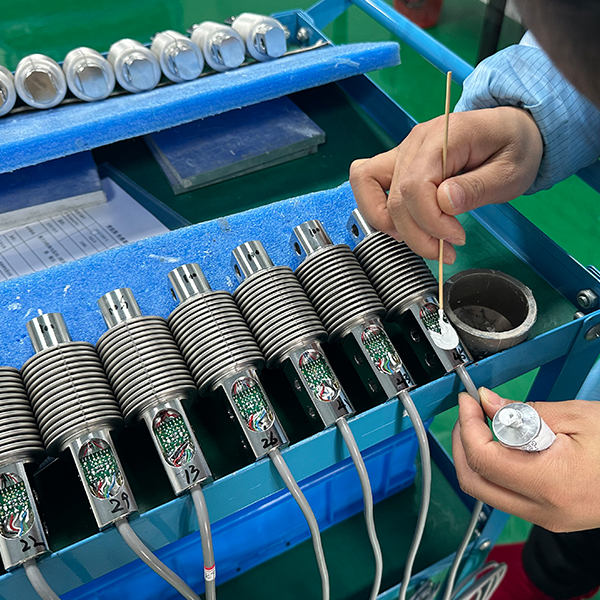
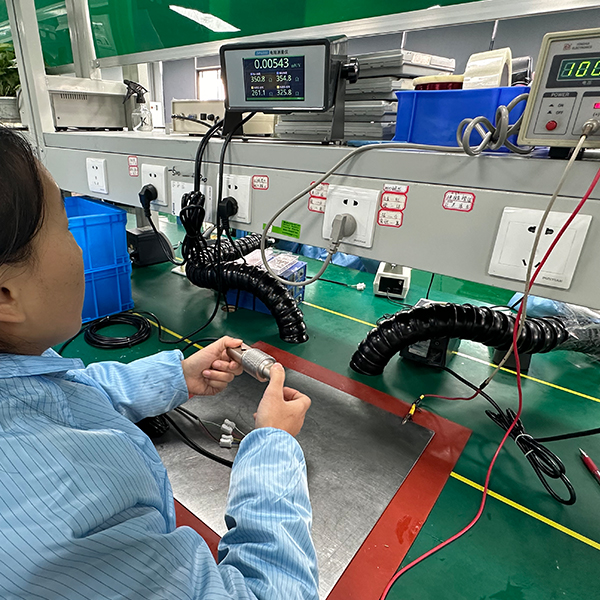
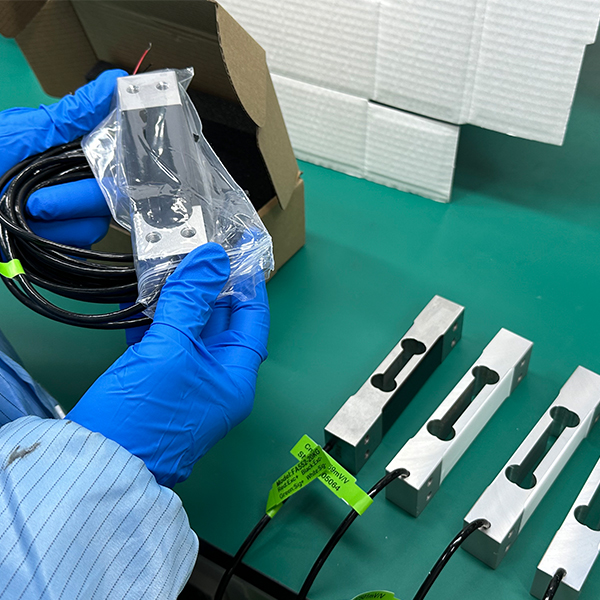
Force sensor manufacturing process |
![Incoming Material Inspection]()
01 Incoming Material Inspection
![Laser Marking]()
02 Laser Marking
![Cleaning and Placement]()
03 Cleaning and Placement
![Pressure curing]()
04 Pressure curing
![Bridge Assembly Welding]()
05 Bridge Assembly Welding
![Test Compensation]()
06 Test Compensation
![Adhesive application and curing]()
07 Adhesive application and curing
![Laser welding]()
08 Laser welding
![Finished Product Re-testing]()
09 Finished Product Re-testing
![Cleaning and packaging]()
10 Cleaning and packaging
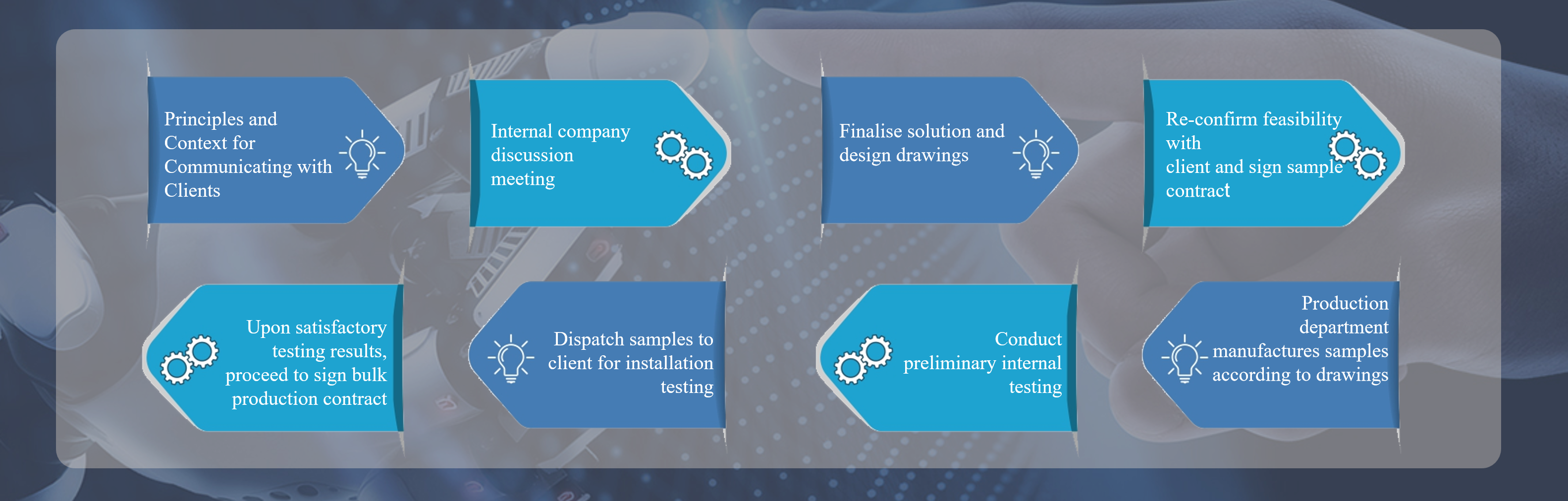
Load Cell Non-standard customisation process |
![Non-Standard Customization Process]()
|
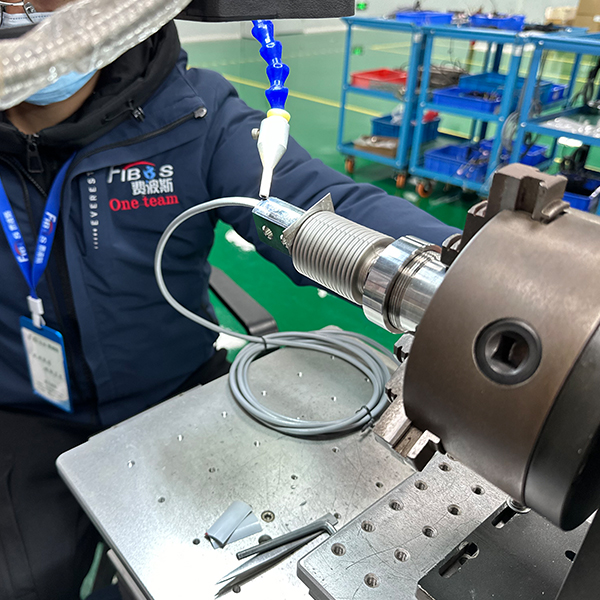
| Fibos possesses a professional technical team capable of developing customized products to meet specific client requirements. Our R&D cycle is seamlessly integrated with our in-house production lines, enabling us to deliver relevant products within a short timeframe. |
Force Sensor Case Studies |
![Customer case studies in the weighing industry (1)]()
Customer case studies in the weighing industry
![Customer case studies in the weighing industry (2)]()
Customer case studies in the weighing industry
![Customer case studies in the weighing industry (3)]()
Customer case studies in the weighing industry
![Customer case studies in the weighing industry (5)]()
Customer case studies in the weighing industry
![Customer case studies in the weighing industry (4)]()
Case Studies: Large-Scale Weighing Solutions
![Case Studies Large-Scale Weighing Solutions (1)]()
Case Studies: Large-Scale Weighing Solutions
![Case Studies Large-Scale Weighing Solutions (2)]()
Case Studies: Large-Scale Weighing Solutions
![Case Studies Large-Scale Weighing Solutions (3)]()
Case Studies: Large-Scale Weighing Solutions
Frequently Asked Questions about Force Sensors |
Q1:Which industries is the FA501 parallel beam single-point load cell suitable for?
A: Made of aluminum alloy, the FA501 is lightweight and corrosion-resistant. It is widely used in electronic scales, retail weighing machines, industrial packing scales, and food processing weighing equipment. Its high precision and stability meet the requirements for light to medium load weighing applications.
Q2:What are the advantages of aluminum alloy material in the FA501?
A: The aluminum alloy construction makes the sensor lightweight and corrosion-resistant, reducing the overall system weight. Its excellent elastic modulus ensures high linearity and repeatability under repeated loads.
Q3:How is the FA501 installed?
A: Featuring a parallel beam structure, the FA501 can be directly mounted under the weighing platform and supports single-point loading. Installation is simple, compatible with various platform designs, and standard bolt holes allow quick fixation to ensure weighing accuracy.
Q4:How does the FA501 differ from steel single-point load cells?
A: The aluminum FA501 single-point load cell is lightweight, easy to install, and offers fast response for medium to light capacity scales. Steel load cells are suitable for high-capacity or high-impact environments but may be heavier and more costly for light weighing systems.
Q5:What precautions should be taken when using the FA501?
A:Avoid overload and lateral impact to prevent damage.
Ensure the mounting surface is flat for even load distribution.
Avoid prolonged exposure to high humidity.
Calibrate regularly to maintain weighing accuracy.





 to facilitate your design of workpiece.