Triaxial Load Cell Force Sensor Product Description |
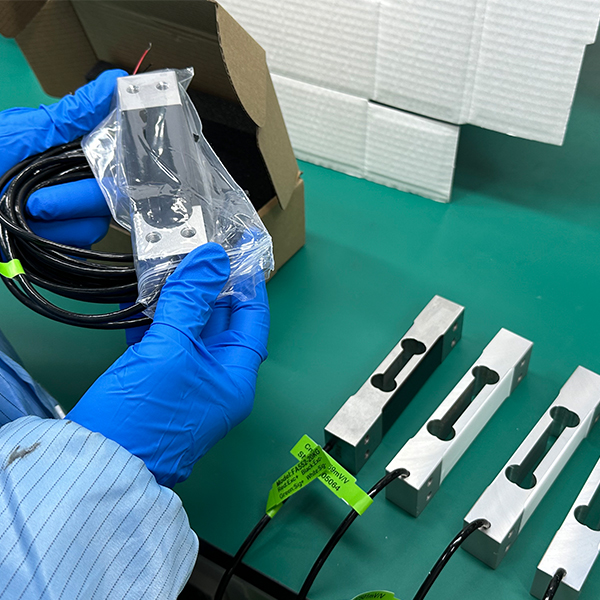
The FA703 is an industrial-grade, medium-range 3-axis force sensor. It features top and bottom flanges with pin-locating mounting, ensuring precise positioning and easy integration into equipment, whilst the aviation connector cable provides hassle-free wiring. Based on the resistive strain gauge principle and a decoupling design, it minimises signal interference, maintains excellent control over core measurement errors, and delivers accurate measurements. With a well-designed overall structure, high mechanical strength and strong resistance to interference, it is suitable for applications in industrial robotics, shipbuilding and other sectors, whilst its protection rating and temperature range comply with industrial site standards.
Triaxial Load Cell Force Sensor Dimensions(Unit:mm) |
![Triaxial Load Cell Force Sensor (3)]()
Triaxial Load Cell Force Sensor Load Direction |
Triaxial Load Cell Force Sensor Wiring
|
![Triaxial Load Cell Force Sensor (1)]() |  |
Triaxial Load Cell Force Sensor Specifications |
Sensor Physical Parameters |
Nominal Capacity | X:50/100/200/300/500N Y:50/100/200/300/500N Z:50/100/200/300/500N |
Deflection at Full Scale | - |
Fundamental resonance frequency (f_G) | - |
Safe Overload | 150%F.S. |
Operating Temperature | -20~75℃ |
Ingress Protection (IP) | IP65 |
Cable | φ5x3m |
Spring Element Material | Stainless steel |
Sensor Accuracy Parameters |
Combined Error | ≤0.3%F.S. |
Non-linearity | ≤0.3%F.S. |
Hysteresis | ≤0.3%F.S. |
Repeatability | ≤0.1%F.S. |
Creep(30min) | ≤0.1%F.S. |
Temperature Effect on Output | 0.1%F.S./10℃ |
Electrical Parameters |
Rated Output | 1.0±20%mV/V |
Excitation Voltage | 5~12V DC |
| Insulation Resistance | ≥5000MΩ/100V(DC) |
Triaxial Load Cell Force Sensor Installation |
![Triaxial Load Cell Force Sensor (2)]() |
| The multi-dimensional force usually designs positioning pin holes on two end faces for accurate positioning measurement coordinate system, requiring users to prepare positioning pins of appropriate length according to their own tooling design. |
Sensor Styling Suggestions |
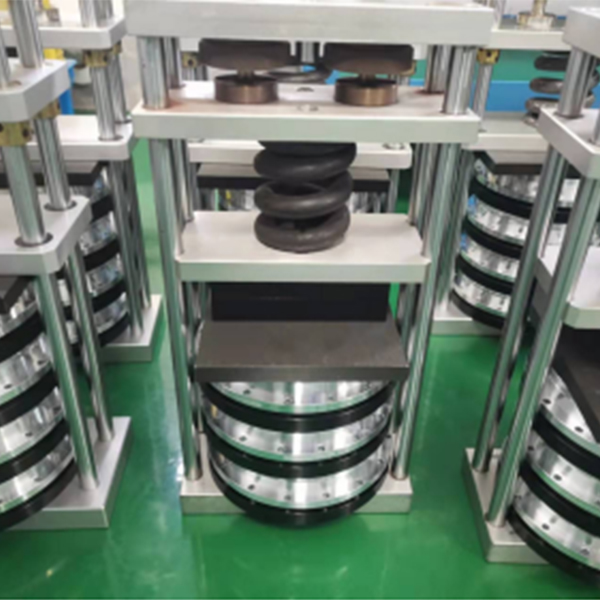
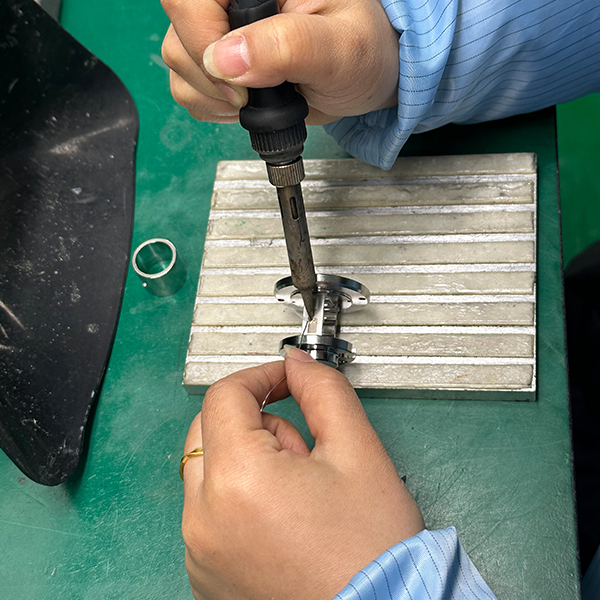
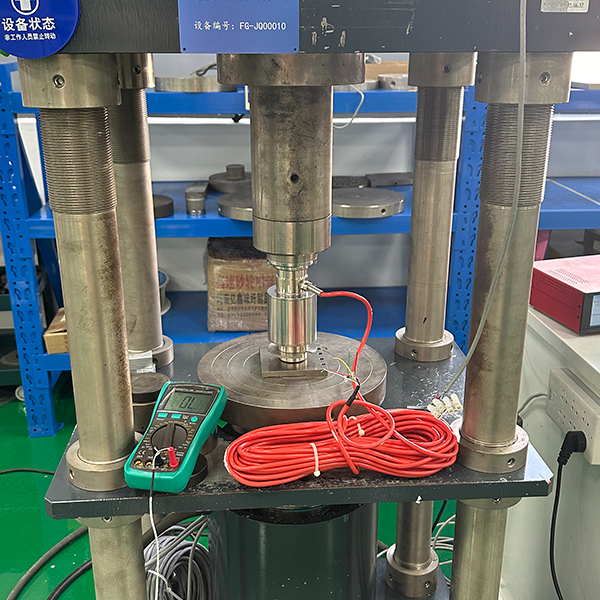
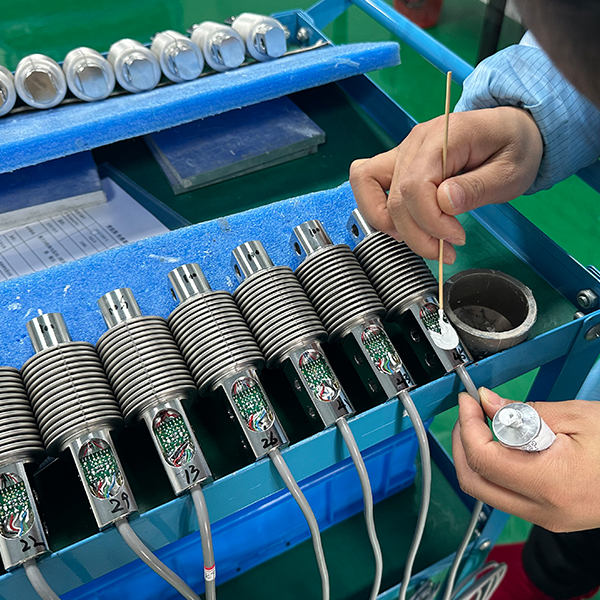
Force sensor manufacturing process |
![Incoming Material Inspection]()
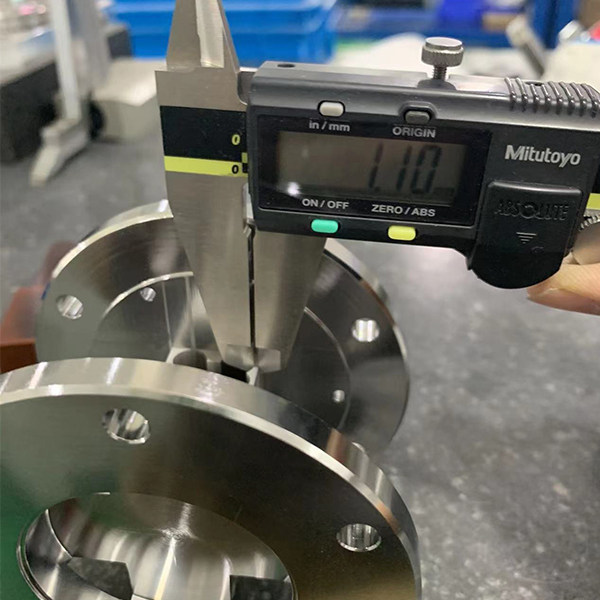
01 Incoming Material Inspection
![Laser Marking]()
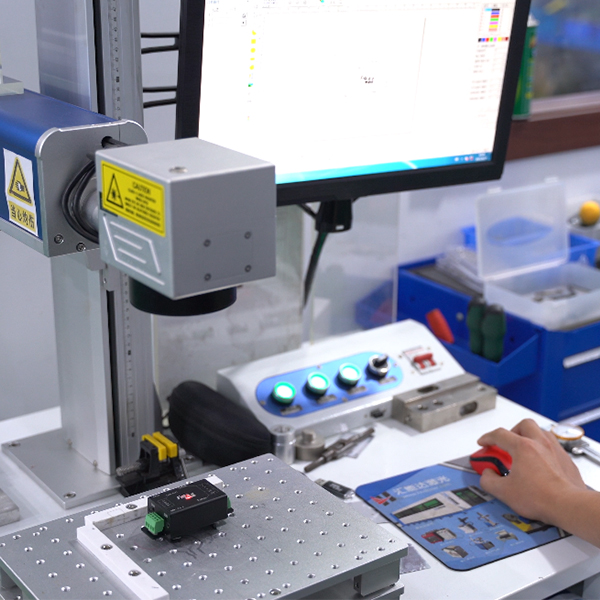
02 Laser Marking
![Cleaning and Placement]()
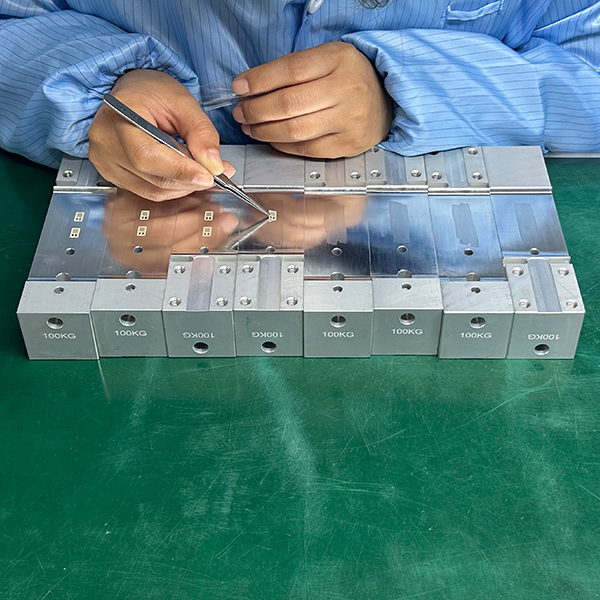
03 Cleaning and Placement
![Pressure curing]()
04 Pressure curing
![Bridge Assembly Welding]()
05 Bridge Assembly Welding
![Test Compensation]()
06 Test Compensation
![Adhesive application and curing]()
07 Adhesive application and curing
![Laser welding]()
08 Laser welding
![Finished Product Re-testing]()
09 Finished Product Re-testing
![Cleaning and packaging]()
10 Cleaning and packaging
Sensor Non-standard customisation process |
![Non-Standard Customization Process]()
|
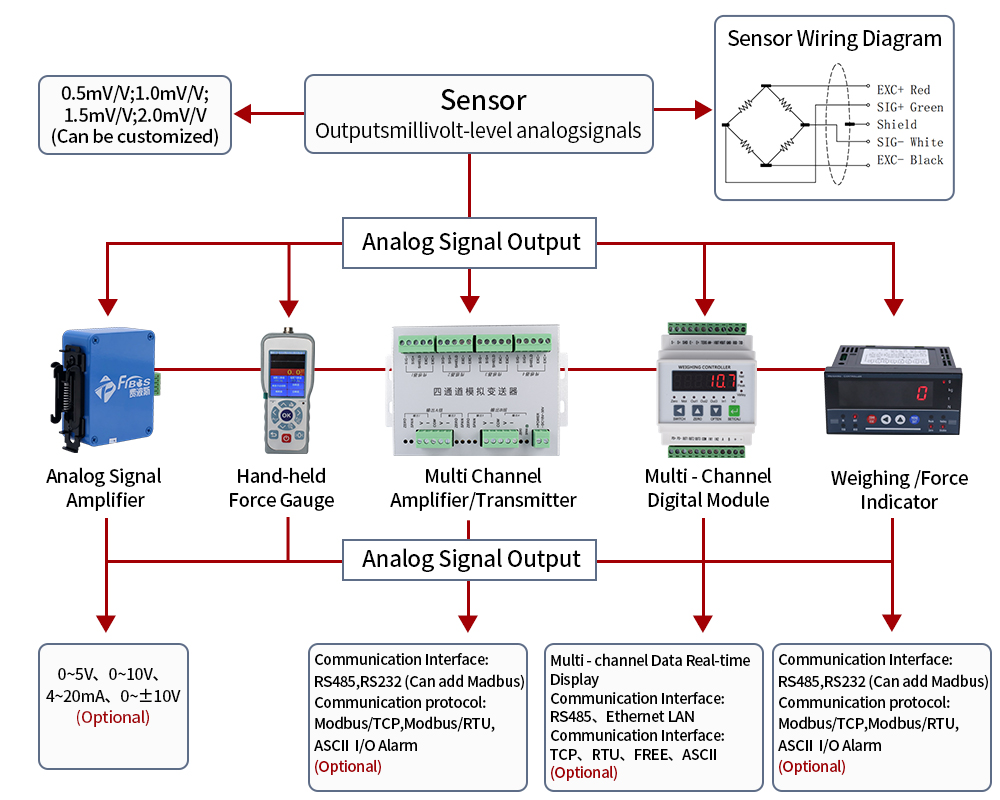
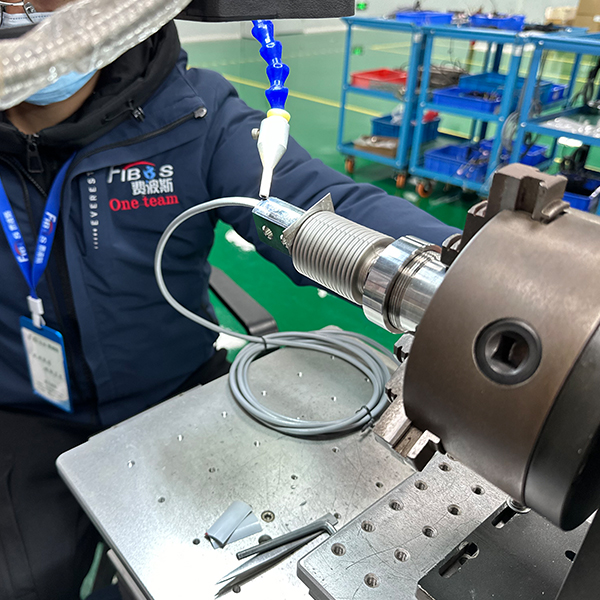
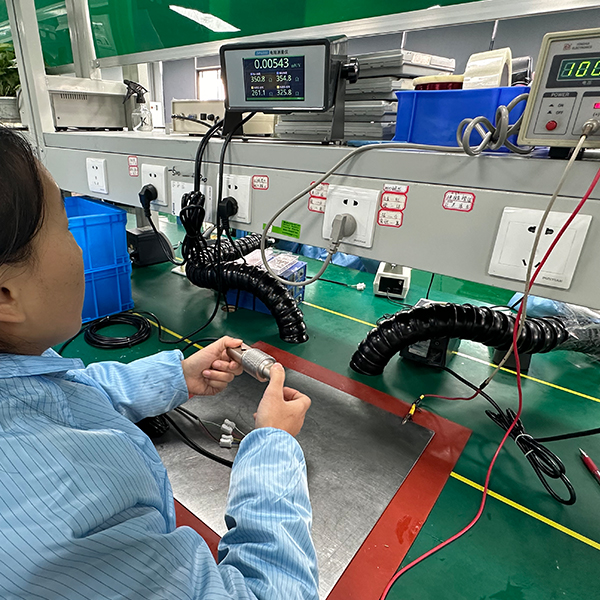
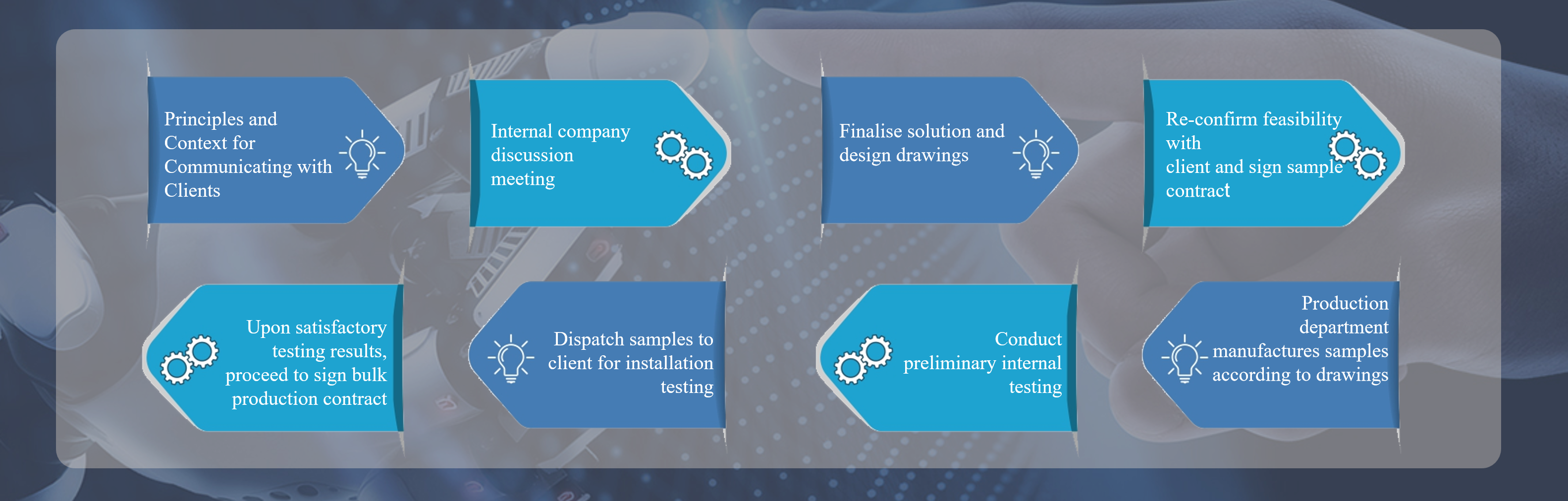
| Fibos possesses a professional technical team capable of developing customized products to meet specific client requirements. Our R&D cycle is seamlessly integrated with our in-house production lines, enabling us to deliver relevant products within a short timeframe. |
Force Sensor Case Studies |
![Applications of Robotic Arms (1)]()
Applications of Robotic Arms
![Applications of Robotic Arms (2)]()
Applications of Robotic Arms
![Applications of Robotic Arms (3)]()
Applications of Robotic Arms
![Applications of Robotic Arms (4)]()
Applications of Robotic Arms
![Aviation Industry]()
Aviation Industry
![Robotics Industry (1)]()
Robotics Industry
![Robotics Industry (2)]()
Robotics Industry
![Robotics Industry (3)]()
Robotics Industry
Frequently Asked Questions about Force Sensors |
Q1:What forces can the FA703 multi-axis force sensor measure?
A: It can simultaneously measure forces in X, Y, and Z directions, enabling real-time 3D force monitoring and analysis.
Q2:What industries is this sensor used in?
A: It is widely used in robotics force control, automated assembly, industrial testing, medical devices, and research applications.
Q3:What is “low crosstalk” and why is it important?
A: Low crosstalk means minimal interference between axes, ensuring accurate measurement in each direction—this is a key performance factor for multi-axis sensors.
Q4:Is FA703 suitable for dynamic measurement?
A: Yes, it supports both dynamic and static force measurement, making it suitable for real-time applications such as robotic gripping and assembly monitoring.
Q5:What is the protection level? Is it suitable for industrial environments?
A:It features IP65 protection, making it resistant to dust and water for general industrial use





 to facilitate your design of workpiece.