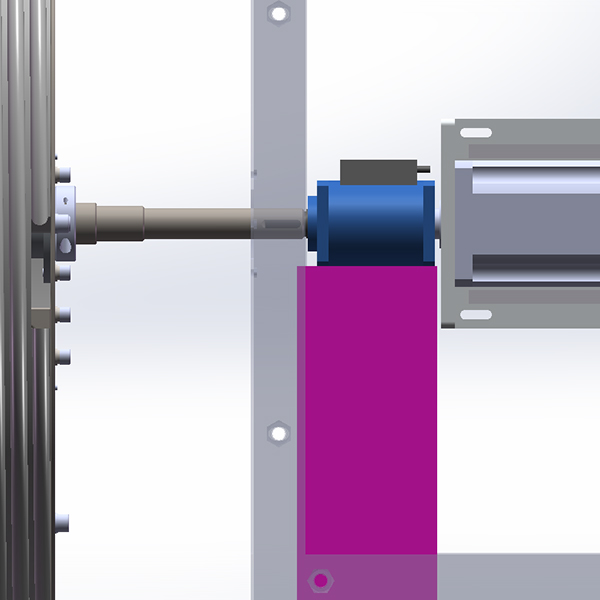
Flange Mounted Rotary Torque Sensor FA604 Sensor Dimensions(Unit:mm) |
![Square Drive Dynamic Torque Sensor]()
Load application methods for dynamic torque sensors | Definition of Dynamic Torque Sensor Selection |
![Non-Contact Dynamic Torque Sensor (1)]() |  |
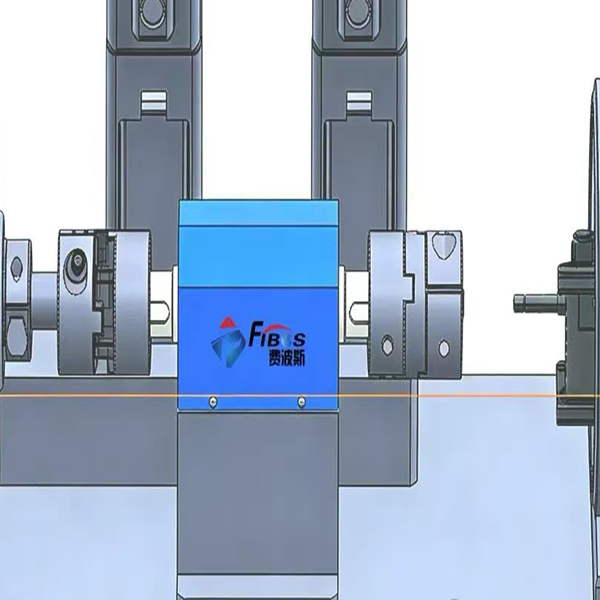
Non-ContactDynamic Torque Sensor Installation |
![Dynamic Torque Sensor Installation]()
Sensor Styling Suggestions |
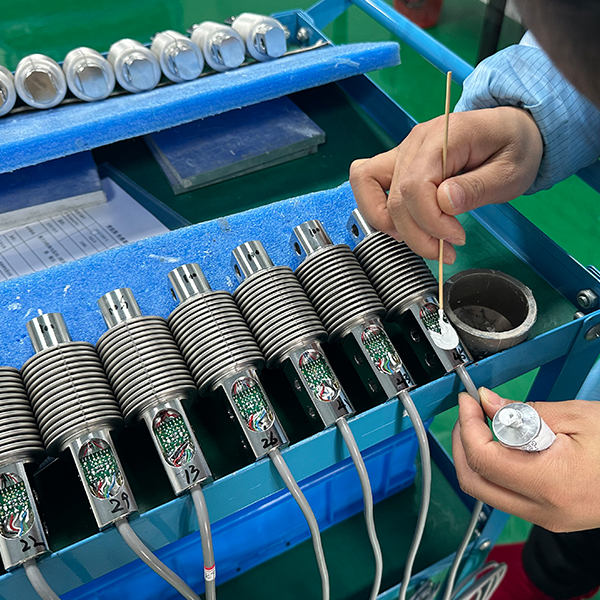
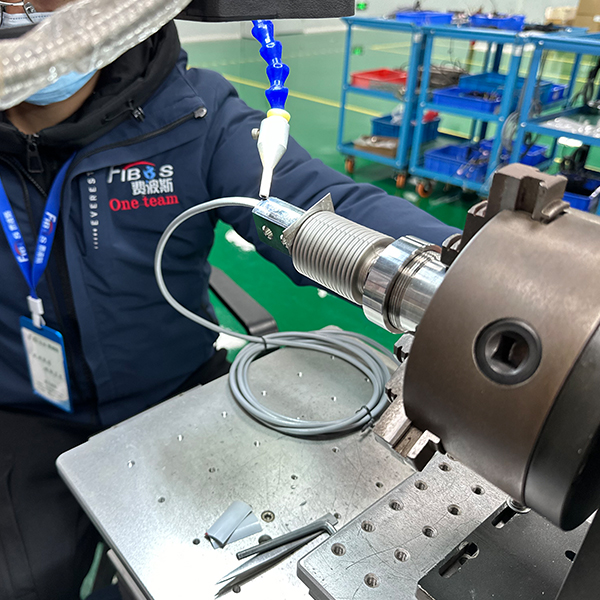
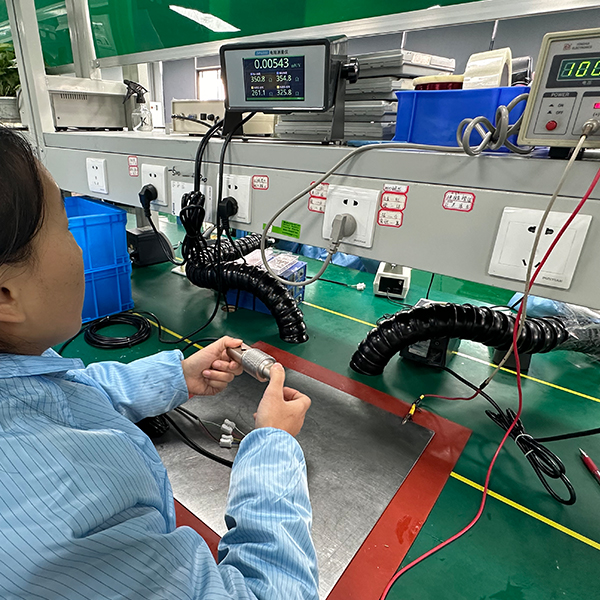
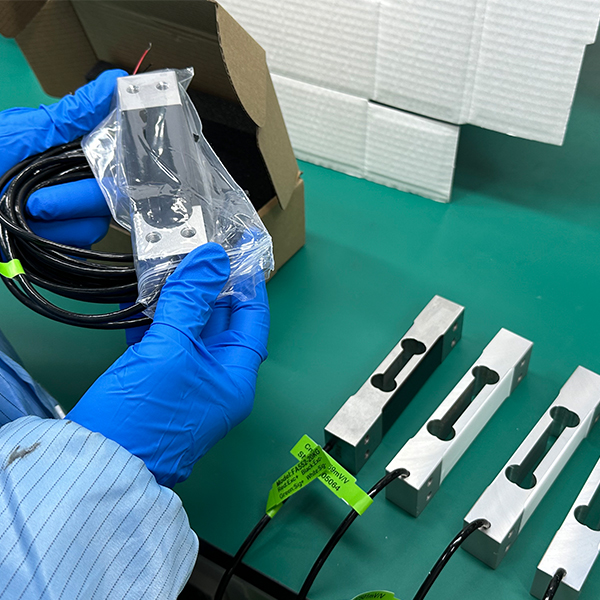
Force sensor manufacturing process |
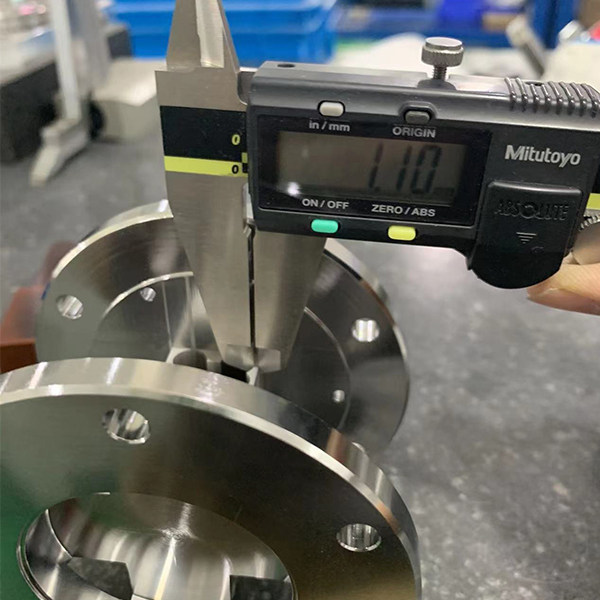
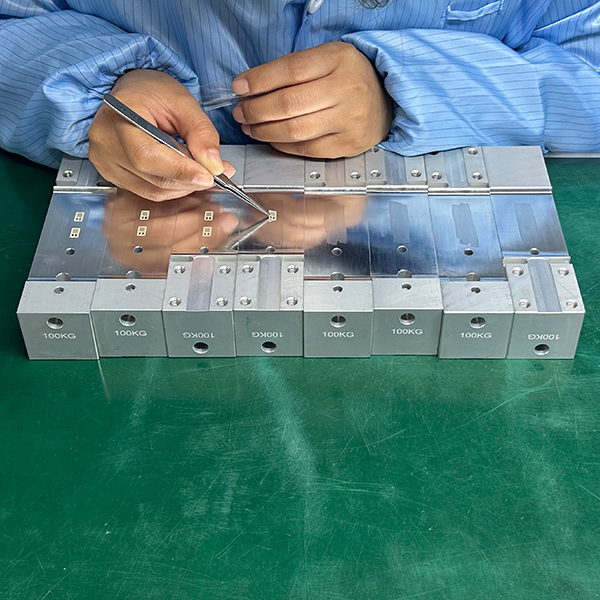
![Incoming Material Inspection]()
01 Incoming Material Inspection
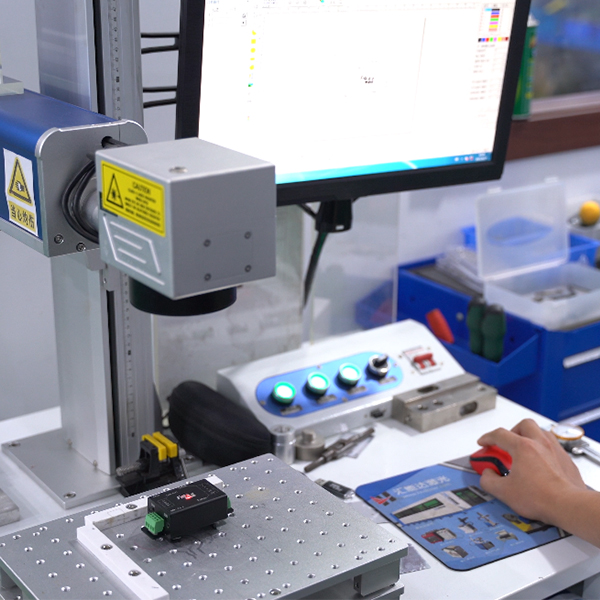
![Laser Marking]()
02 Laser Marking
![Cleaning and Placement]()
03 Cleaning and Placement
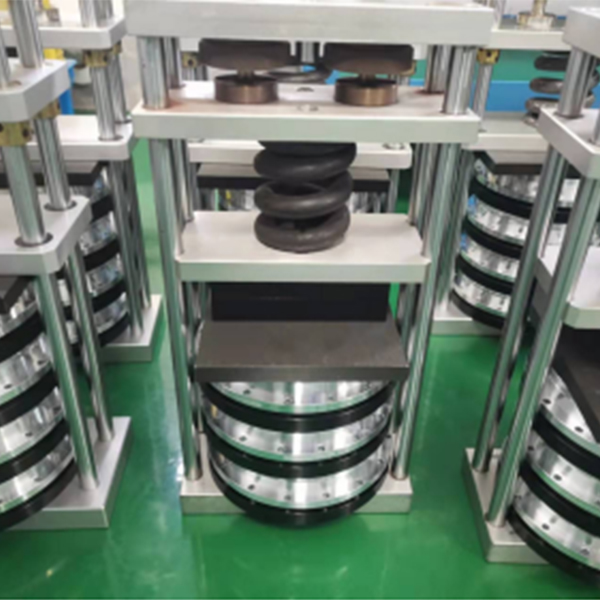
![Pressure curing]()
04 Pressure curing
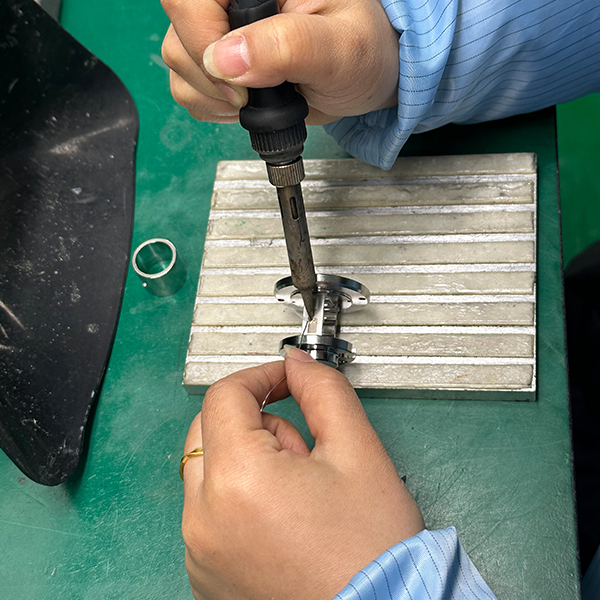
![Bridge Assembly Welding]()
05 Bridge Assembly Welding
![Test Compensation]()
06 Test Compensation
![Adhesive application and curing]()
07 Adhesive application and curing
![Laser welding]()
08 Laser welding
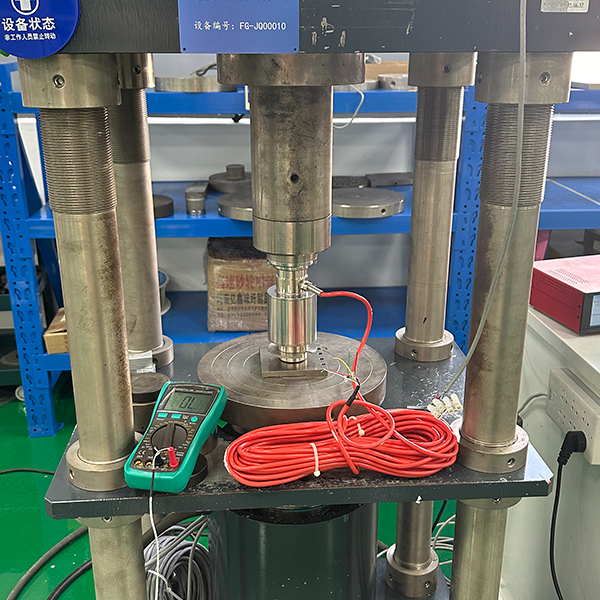
![Finished Product Re-testing]()
09 Finished Product Re-testing
![Cleaning and packaging]()
10 Cleaning and packaging
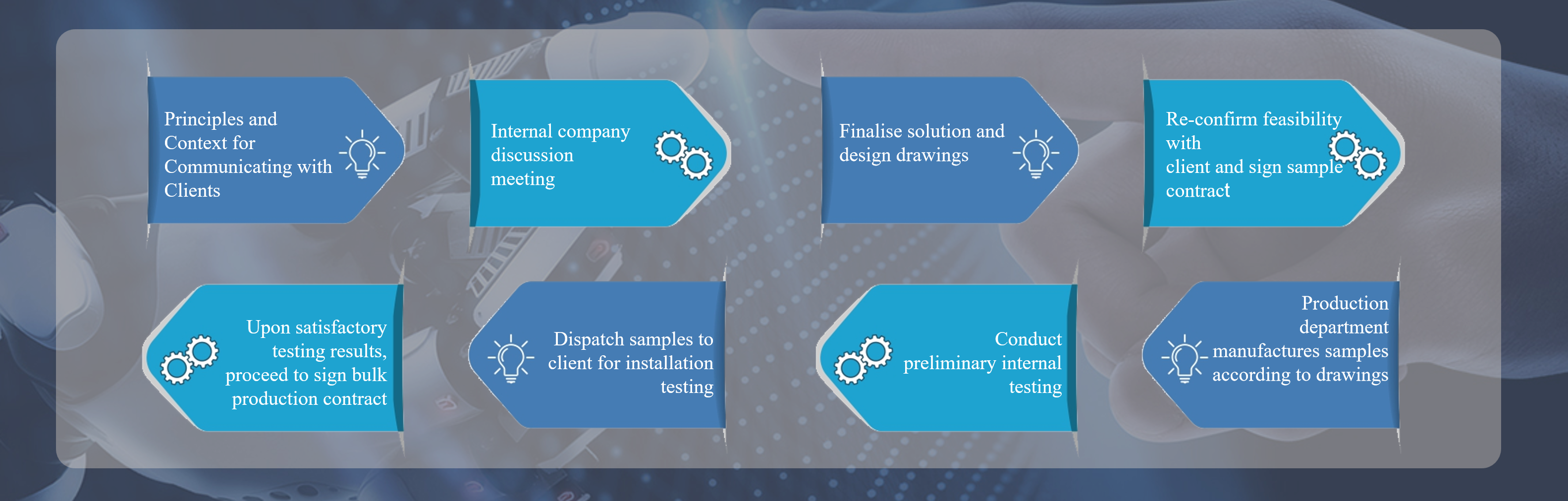
Sensor Non-standard customisation process |
![Non-Standard Customization Process]()
|
| Fibos possesses a professional technical team capable of developing customized products to meet specific client requirements. Our R&D cycle is seamlessly integrated with our in-house production lines, enabling us to deliver relevant products within a short timeframe. |
Customer case studies for the Torque series |
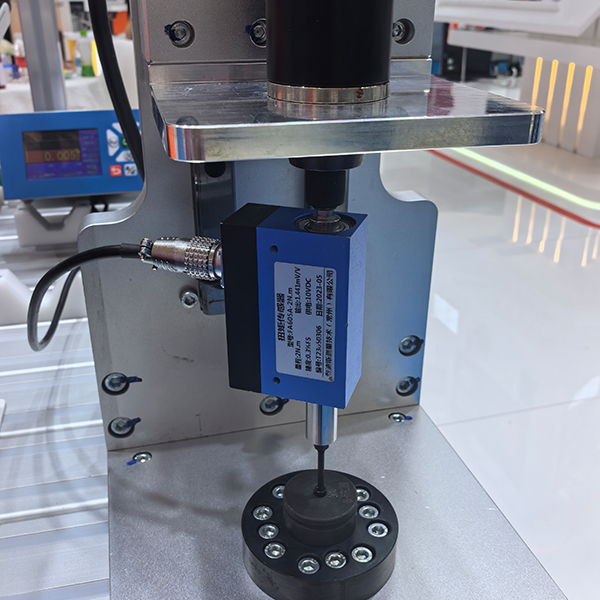
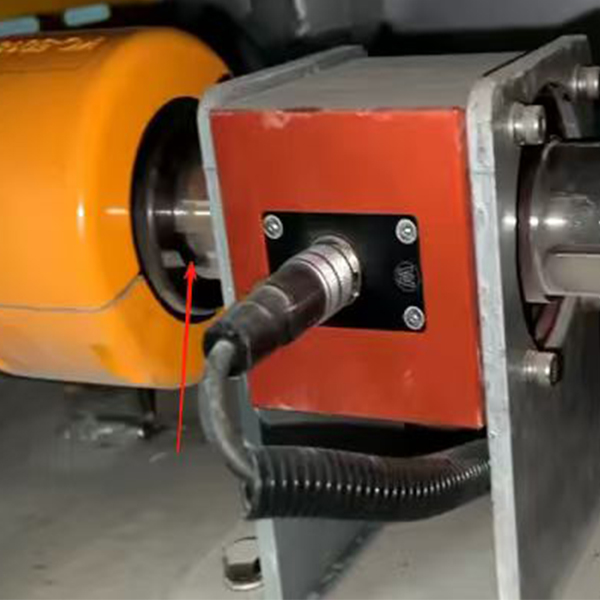
![Customer case studies for the Torque series (1)]()
Case Studies on Non-Contact Torque Applications
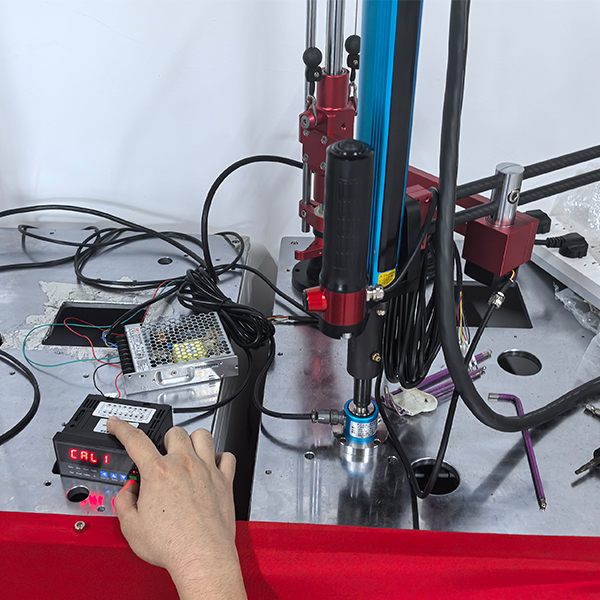
![Customer case studies for the Torque series (2)]()
Case Studies on Static Torque Applications
![Customer case studies for the Torque series (4)]()
Case Studies on Non-Contact Torque Applications
![Customer case studies for the Torque series (3)]()
Case Studies on Non-Contact Torque Applications
![Customer case studies for the Torque series (5)]()
Case Studies on Non-Contact Torque Applications
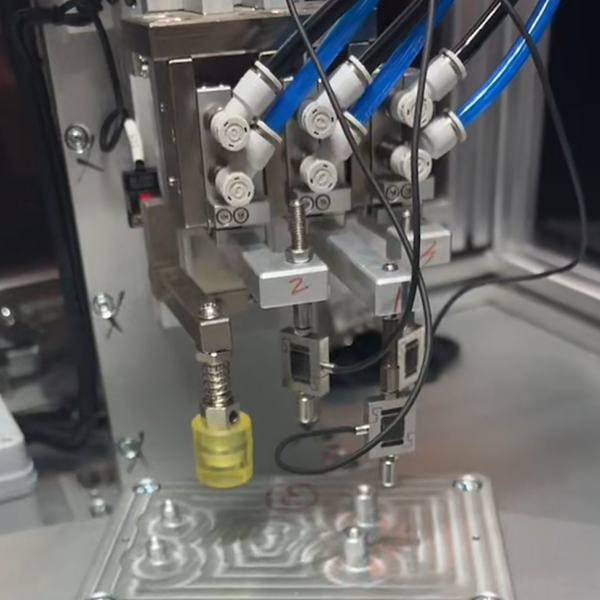
![Industrial Applications of Micro-Force Sensors]()
Industrial Applications of Micro-Force Sensors
![Industrial Applications of Micro-Force Sensors]()
Industrial Applications of Micro-Force Sensors
![Industrial Applications of Micro-Force Sensors]()
Industrial Applications of Micro-Force Sensors
Frequently Asked Questions about Force Sensors |
Q1:What is a square drive dynamic torque sensor?
A: A square drive rotary torque transducer is a sensor installed in-line in the torque path that measures torque in real time while rotating. Its input is a square socket and its output is a square drive, so it drops in like an adapter socket between a power tool (electric/pneumatic wrench, screwdriver) and the fastener — no modification to the machine's shaft train is required.
Q2:How does it actually measure torque?
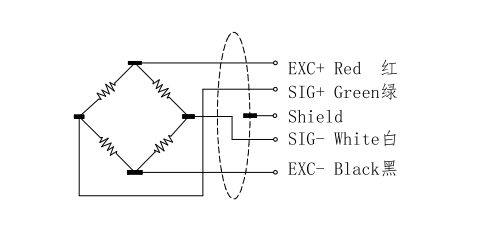
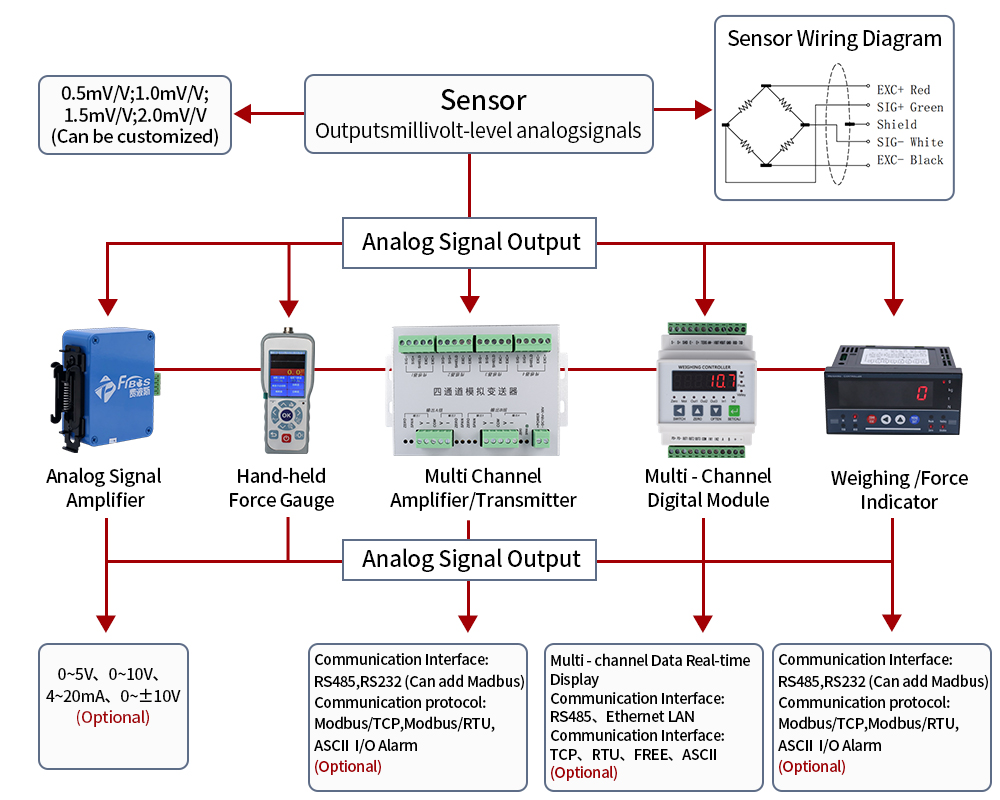
A:The mainstream implementation is a strain-gauge Wheatstone bridge. Gauges are bonded to the elastic measuring element (typically an alloy-steel shaft) along the ±45° principal strain directions to form a full bridge. Applied torque twists the element by a tiny amount, the gauge resistances change, and the unbalanced bridge produces a millivolt-level differential output proportional to torque.





 to facilitate your design of workpiece.